

DONALD TRUMP E GIORGIA MELONI: GLI INCONSAPEVOLI ZELENSKY DI PETER THIEL?
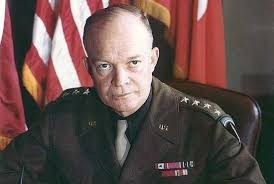
Dwight D. Eisenhower, generale e comandante delle forze alleate sul fronte occidentale durante la seconda guerra mondiale, nonché 34° Presidente degli Stati Uniti d’America dal 1953 al 1961 ebbe a dire che il futuro peggiore per l’ America sarebbe stata una vittoria netta sull’Unione Sovietica in quanto l’’America non avrebbe avuto la forza di gestire il mondo e il mondo avrebbe finito per assorbire gli Stati Uniti mettendo fine al sogno di libertà che caratterizzava la Nazione Americana.
Il pensiero espresso da Eisenhower poggiava sulla giusta comprensione del fatto che ogni sistema bipolare, in virtù della intestina conflittualità che ne costituisce il fondamento, garantisce di per sé stesso non solo la legittimazione di entrambe le strutture di potere coinvolte, ma rappresenta pure il migliore collante che tiene uniti i rispettivi ‘alleati’. Tuttavia il pensiero espresso dal grande Generale americano non è altro che la parafrasi di un concetto mirabilmente espresso da Otto von Bismarck allorché lo stesso disse: “Un vero statista, quando gli viene a mancare il nemico, se lo deve inventare”. Purtroppo oggi vi è un elemento nuovo: la filosofia di quella Cina che ha inventato i BRICS… Ma a questo Bismarck ed Eisenhower non potevano pensare per formazione e per quella tradizione culturale influenzata dalla storia europea dove hanno fatto bella mostra di sé non pochi bipolarismi, tra i quali quello per antonomasia che ha dato vita al contenzioso dei contenziosi: il dualismo papato-impero.
Tra le altre geniali intuizioni del Gen. Eisenhower ve ne è pure un’altra che dovrebbe essere tenuta presente particolarmente oggi e che troviamo espressa mirabilmente nel suo breve, ma pregnante discorso di addio politico al popolo americano pronunciato il 17 Gennaio 1961 e trasmesso dalla televisione nazionale che lo riprese mentre parlava dallo Studio Ovale della Casa Bianca. Un discorso che colse non poco di sorpresa tutti coloro che si aspettavano che il leader militare ed eroe della Seconda Guerra Mondiale lasciasse la sua presidenza con un discorso nostalgico da “vecchio soldato” come quello del Gen. Douglas MacArthur, in quanto l’anziano Gen. si espresse a chiare lettere sui pericoli del “complesso militare-industriale”.
Come Presidente degli Stati Uniti per ben due mandati, Eisenhower aveva non poco rallentato la spinta per una maggiore spesa per la difesa nonostante la pressione per costruire più equipaggiamento militare durante la corsa agli armamenti della Guerra Fredda, anche se i servizi militari americani e l’industria della difesa si erano notevolmente espansi negli anni ’50. Eisenhower pensava che questa crescita fosse necessaria per contrastare l’Unione Sovietica, ma lo sconcertava e, sebbene non lo dicesse esplicitamente, la sua posizione di leader militare lo aiutò non poco a dargli la credibilità per resistere alle pressioni di questo nuovo, potente gruppo di interesse ed anche se alla fine descrisse la cosa come un male necessario, il monito restò lì a disposizione di chi aveva occhi per vedere ed orecchie per ascoltare.
La sua intelligenza gli aveva sicuramente permesso di guardare oltre avendo a cuore il progetto politico ed il sogno di libertà di Jefferson che una certa deriva minacciava di affossare, o quanto meno di inquinare pesantemente.
Dico questo poiché personalmente ritengo che in politica troppo spesso ci si dimentica che esistono due chiavi di lettura delle quali l’una è teoretica (che come tale si riferisce ai fondamenti dottrinali) e l’altra è quella pratica, che a sua volta attiene alla messa in opera della prima.
Da questo distinguo emerge che parlare del marxismo non è lo stesso che parlare del comunismo così come parlare del liberalismo non è lo stesso che parlare del capitalismo, parlare del nazionalismo non è lo stesso che parlare dei fascismi così come, per venire a disquisire di un’epoca a noi più prossima, parlare del multilateralismo non è lo stesso che parlare dei BRICS e via avanti sulla strada che ha portato a confondere quell’iIluminismo –che tutti gli aspetti teoretici citati ha a vario titolo generato ovvero in qualche modo ispirato – con il “Liberté, Égalité, Fraternité” del momento rivoluzionario che di fatto ha portato a ben altro.
La perdita di vista di quanto testé sottolineato fa sì che solitamente si manchi di considerare il fatto che la pratica politica non può essere confusa con il progetto politico, la filosofia a monte, una confusione di cui non ci si occupa nel momento dello scontro, nella fase del conflitto, ovverosia per tutto il tempo in cui a farla da padrone è il confronto asimmetrico tra la teoretica ispiratrice dell’azione dell’una fazione allorché questa si oppone alla pratica attuata dalla seconda.
In questo senso la Guerra Fredda ha visto il confronto-scontro tra quegli Stati Uniti e quell’Unione Sovietica che hanno sistematicamente agito nel modo qui or ora descritto, nel senso che ognuno dei due establishment ha motivato le proprie masse popolari e gli alleati a vario titolo gestiti facendo riferimento agli aspetti teoretici (liberalismo per gli USA ed il Marxismo per l’URSS) dichiaratamente ispiratori del proprio progetto politico, per contrastare fattivamente la pratica posta in essere dall’altro (il comunismo dell’URSS ed il capitalismo degli USA).
La fine della Cold War ha fatto sì che i nodi venissero al pettine poiché, finita la fase del confronto, ci si è dovuti rendere conto, o per meglio dire le masse hanno dovuto rendersi conto a proprie spese, che quello che aveva vinto era il capitalismo (e per di più quello d’assalto, quello dell’ingegneria finanziaria tanto cara all’alta finanza globalizzata) e non il liberalismo, con tutto quello che questo ha comportato: l’affermazione del privilegio di una parte esigua della popolazione in primis dei diversi Paesi occidentali a scapito della restante parte della popolazione. Da qui la crisi che viviamo e la nascita dei nuovi approcci ideologici che abbiamo sotto gli occhi, tipo woke tanto per intenderci, aventi come scopo quello di dare vita a qualcosa di nuovo, di diverso da ciò che la pratica capitalista andava realizzando e consolidando una volta saldamente al potere.
Mao Tse–tung una volta ebbe a dire “Il potere si conquista con la canna del fucile”: una frase emblematica di cosa è il potere politico in senso lato. Un potere politico che si afferma motivando all’azione chi quel fucile deve usare per combattere ed in caso morire, parlandogli della teoretica, salvo poi, a vittoria conseguita, gestire il territorio in senso lato conquistato esattamente così come fatto da chi ha combattuto e vinto.
Da qui la frase di Eisenhower e quella di Bismarck: una mera considerazione pragmatica di come stanno le cose.
In questo senso Trump non farà la differenza, non fosse altro perché non ha la cultura politica per anche solo provare a sfiorare un concetto come questo. Trump è al più un tribuno della plebe contraddittorio al 1000%, che promette di abbattere ciò che lui stesso incarna. Un po’ come la Premier Meloni.
Per somma, per assurdo che possa apparire, negli Stati Uniti la presenza di Trump è utile proprio a coloro che hanno gestito le cose portandole alla crisi che il suo populismo promette di cambiare.
Peccato che accanto a lui abbia personaggi come Elon Musk che sono di ben altra pasta e puntano a realizzare ben altro. Musk è in un certo qual modo il braccio destro di Peter Thiel, il ben noto imprenditore della Silicon Valley, quello che persegue la realizzazione di una tecnocrazia basata sulla AI e che delle chiacchiere di Trump non da che farsene, anche se al momento torna utile, utile come risulta essere la Meloni.
E, detto per inciso, questo ci permette di capire perché alla Meloni è stato concesso di liberare Abedini senza che lo stesso Biden si opponesse alla cosa ed i Dem attaccassero Trump: la Meloni, unica leader stabilmente al potere in Europa, è funzionale al progetto che Thiel e Musk perseguono, che doveva passare per l’elezione alla White House di Ron DeSantis, ovverosia del Governatore della Florida sul quale erano stati riversati i fondi degli ex sostenitori di Trump per promuoverne la campagna elettorale delle Presidenziali del 2024, campagna cui lo stesso ha rinunciato grazie alle pressioni di quell’abile stratega della comunicazione che è Trump.
Detta in altri termini tutto lascerebbe intendere che alla fine Trump e la Meloni siano solo gli Zelensky della situazione ed in questo senso l’attuazione del progetto di Jefferson, che molti attendono possa giungere dalla Presidenza Trump, a mio avviso dovrà attendere e continuerà ad attendere fino a quando il livello culturale medio degli elettori resterà quello che abbiamo sotto gli occhi.
Peccato che non vi sia molto tempo a disposizione perché il trionfo della AI Revolution farà perdere potere contrattuale alla stragrande maggioranza della popolazione con tutto ciò che da questo conseguirà.
Purtroppo vi è da dire che l’alter ego a tutto questo, quell’alter ego incarnato dal connubio sino-russo, non offre una vera alternativa né teoretica e tanto meno pratica a tale stato di cose, cosicché non resta che attendere che l’amaro calice sia sorbito fino in fondo cercando, nel frattempo, di preservare se non altro la memoria del sogno che fu di Jefferson.
———————————————————————
DONALD TRUMP AND GIORGIA MELONI: THE UNWITTING ZELENSKYS OF PETER THIEL?
Dwight D. Eisenhower, general and commander of the Allied forces on the Western Front during World War II and 34th President of the United States of America from 1953 to 1961 had this to say that the worst future for ‘America would be a clear victory over the Soviet Union in that ‘America would not have the strength to run the world and the world would eventually absorb the United States, ending the dream of freedom that characterized the American Nation.
The thought expressed by Eisenhower rested on the correct understanding that any bipolar system, by virtue of the intestine conflict that is its foundation, guarantees in itself not only the legitimacy of both power structures involved, but also represents the best glue that holds the respective ‘allies’ together. However, the thought expressed by the great American General is nothing more than a paraphrase of a concept admirably expressed by Otto von Bismarck when he himself said, “A true statesman, when he lacks an enemy, must invent one.” Unfortunately, today there is a new element: the philosophy of that China that invented the BRICS… But this Bismarck and Eisenhower could not think of by training and that cultural tradition influenced by European history where quite a few bipolarisms have made a fine show, including the quintessential one that gave birth to the contentiousness of contentiousness: papacy-empire dualism.
Among Gen. Eisenhower’s other brilliant insights there is also one that should be kept particularly in mind today and which we find expressed admirably in his brief but poignant political farewell address to the American people delivered on January 17, 1961 and broadcast on national television, which filmed him speaking from the Oval Office of the White House. It was a speech that took all those who had expected the military leader and hero of World War II to leave his presidency with a nostalgic “old soldier” speech like Gen. Douglas MacArthur’s, in no small measure, by surprise, as the elderly Gen. was outspoken about the dangers of the “military-industrial complex.”
As U.S. president for two terms, Eisenhower had in no small part slowed the push for more defense spending despite the pressure to build more military equipment during the Cold War arms race, even though the U.S. military services and the defense industry had expanded considerably in the 1950s. Eisenhower thought this growth was necessary to counter the Soviet Union, but it puzzled him, and although he did not say so explicitly, his position as a military leader helped him in no small measure to give him the credibility to resist pressure from this powerful new interest group, and although he eventually described it as a necessary evil, the warning remained there for those with eyes to see and ears to hear.
His intelligence had certainly enabled him to look beyond having at heart Jefferson’s political project and dream of freedom that a certain drift threatened to scuttle, or at least heavily pollute.
I say this because I personally believe that in politics we too often forget that there are two keys to interpretation of which one is theoretical (which as such refers to doctrinal foundations) and the other is practical, which in turn pertains to the implementation of the former.
From this distinction it emerges that talking about Marxism is not the same as talking about communism just as talking about liberalism is not the same as talking about capitalism, talking about nationalism is not the same as talking about fascisms just as, to come to disquisition of an era closer to us, talking about multilateralism is not the same as talking about the BRICS and on and on down the road that has led to confusing that iIluminism-which all the aforementioned theoretical aspects has in various ways generated or in some way inspired-with the “Liberté, Égalité, Fraternité” of the revolutionary moment that in fact led to quite another.
The loss of sight of what has been emphasized above usually causes one to miss the fact that political practice cannot be confused with the political project, the philosophy behind it, a confusion that is not taken care of in the moment of confrontation, in the phase of conflict, that is, all the time when the asymmetrical confrontation between the inspiring theoretics of the action of one faction when it is opposed to the practice implemented by the second one is the main issue.
In this sense, the Cold War witnessed the confrontation-clash between those United States and the Soviet Union that systematically acted in the manner just now described, in the sense that each of the two establishments motivated its popular masses and variously managed allies by referring to the theoretical aspects (liberalism for the US and Marxism for the USSR) that were avowedly inspirational of its own political project, in order to factually oppose the practice put in place by the other (communism of the USSR and capitalism of the US).
The end of the Cold War meant that the knots came to the boil since, once the confrontation phase was over, one had to realize, or rather the masses had to realize at their own expense, that what had won was capitalism (and moreover the assault capitalism, that of the financial engineering so dear to globalized high finance) and not liberalism, with all that this entailed: the affirmation of the privilege of a small part of the population in primis of the various Western countries at the expense of the remaining part of the population. Hence the crisis we are experiencing and the emergence of the new ideological approaches that we have before our eyes, woke type just to make a point, having as their purpose to give birth to something new, different from what capitalist practice was achieving and consolidating once firmly in power.
Mao Tse-tung once had this to say, “Power is won with the barrel of the gun”-a phrase emblematic of what political power in the broad sense is. A political power that is asserted by motivating to action those who that rifle must use to fight and in case die, by talking to them about the theoretical, except then, when victory is achieved, to manage the broadly conquered territory exactly as done by those who fought and won.
Hence Eisenhower’s phrase and Bismarck’s phrase: a mere pragmatic consideration of the way things are.
In this sense Trump will not make a difference, if only because he does not have the political culture to even try to touch on a concept like this. Trump is at most a 1000% contradictory tribune of the plebs, promising to tear down what he himself embodies. A bit like Premier Meloni.
In sum, absurd as it may appear, in the United States Trump’s presence is useful precisely to those who have been running things leading them to the crisis that his populism promises to change.
It is too bad that next to him he has the likes of Elon Musk who are of a very different ilk and aim to accomplish far more. Musk is in a way the right-hand man of Peter Thiel, the well-known Silicon Valley entrepreneur, the one who pursues the realization of an AI-based technocracy and who Trump’s chatter is not to be trusted, even if it comes in handy at the moment, as useful as Meloni turns out to be.
And, incidentally, this allows us to understand why Meloni was allowed to release Abedini without Biden himself objecting to it and the Dems attacking Trump: Meloni, the only leader stably in power in Europe, is functional to the project that Thiel and Musk are pursuing, which was to go through the election to the White House of Ron DeSantis, that is, the Florida governor on whom the funds of former Trump supporters had been poured to promote his 2024 Presidential election campaign, a campaign that he himself renounced thanks to the pressure of that skillful communication strategist that is Trump.
Said in other terms, everything would suggest that in the end Trump and Meloni are just the Zelenskys of the situation and in this sense the implementation of Jefferson’s project, which many expect may come from the Trump presidency, in my opinion will have to wait and will continue to wait as long as the average cultural level of voters remains what we have before our eyes.
It is too bad that there is not much time left because the triumph of the AI Revolution will cause the vast majority of the population to lose bargaining power with all that will follow from this.
Unfortunately, there is to be said that the alter ego to all this, that alter ego embodied by the Sino-Russian union, offers no real alternative either theoretically or much less practically to such a state of affairs, so that all that is left is to wait for the bitter chalice to be swallowed to the end while trying, in the meantime, to preserve if nothing else the memory of the dream that was Jefferson’s.