

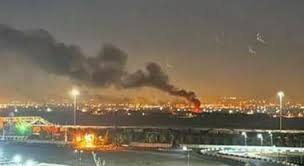

Nelle prime ore del 26 Ottobre 2024 Israele ha colpito con diversi raid aerei l’Iran in risposta al massiccio attacco condotto da quest’ultimo con missili balistici il 1° Ottobre scorso. La televisione di stato iraniana ha riferito di esplosioni in diverse aree del Paese, inclusa la periferia della capitale, ma poi il tutto, per quello che riguarda Teheran, sembra aver preso una piega completamente diversa dal punto di vista dell’approccio mediatico e la cosa, anche alla luce dell’analisi della polemica che ha fatto seguito alla recente fuga di notizie Top Secret dagli uffici dell’Intelligence e del Pentagono statunitensi, merita una attenta riflessione che tenga conto di quanto riportato il 25 Ottobre 2024 in un articolo pubblicato da ofcs report con il titolo “Israele–USA–Iran: guerra d’intelligence”.
Alle 7:25 del 26 Ottobre 2024 l’IDF, per bocca del suo portavoce ufficiale, Rear Admiral Daniel Hagari, ha diramato un comunicato che testualmente ufficialmente testualmente recita: “ Buongiorno e Shabbat Shalom. Poco fa i nostri aerei sono tornati sani e salvi dopo aver colpito obiettivi militari in Iran. Questo in risposta agli attacchi dell’Iran contro lo Stato di Israele degli ultimi mesi. L’attacco di rappresaglia è stato completato e i suoi obiettivi sono stati raggiunti. Seguendo le direttive dei vertici politici, abbiamo effettuato attacchi precisi e mirati su obiettivi in diverse aree dell’Iran. Tra questi, gli impianti di produzione di missili utilizzati dall’Iran nei suoi attacchi allo Stato di Israele lo scorso anno. Contemporaneamente, abbiamo preso di mira gli array di missili terra-aria dell’Iran e le capacità aeree iraniane che avevano lo scopo di limitare la libertà di manovra aerea di Israele in Iran. Ora Israele ha una più ampia libertà di manovra aerea in Iran. L’Iran ha attaccato Israele due volte, anche in luoghi che hanno messo in pericolo i civili, e ne ha pagato il prezzo. Siamo concentrati sui nostri obiettivi di guerra nella Striscia di Gaza e in Libano. È l’Iran che continua a spingere per un’escalation regionale più ampia. Gli obiettivi che sono stati colpiti sono stati selezionati da un’ampia banca di obiettivi – obiettivi di vario tipo, e saremo in grado di selezionarne altri e colpirli se necessario. Questo è un messaggio chiaro: chi minaccia lo Stato di Israele pagherà un prezzo pesante. Stiamo conducendo una valutazione continua della situazione e, in questa fase, non ci sono cambiamenti alle linee guida del Comando del Fronte Interno. Vi chiediamo di continuare a seguire e ad ascoltare le linee guida del Comando del Fronte Interno, come avete fatto durante tutta la guerra. L’IDF è al massimo della preparazione, sia offensiva che difensiva. Oggi, abbiamo dimostrato ancora una volta la nostra capacità di colpire ovunque decidiamo, in qualsiasi momento. L’IDF sta facendo e farà tutto il necessario per proteggere i cittadini dello Stato di Israele”.
Diversi i commenti e le valutazioni ufficiali succedutisi in queste ore che si segnalano a vario titolo, nazionali o esteri che siano, per la loro scarsa attendibilità a cominciare, tanto per citarne uno, da quelli riportati in diverse occasioni dal The New York Times con riferimento, ad esempio, al rischio di una escalation del confronto militare di proporzioni tali da sfociare in una guerra totale tra Israele e l’Iran dai risvolti imprevedibili.
È questo, ad esempio, il caso della riproposizione, aggiornata a seguito del lancio dell’attacco israeliano della notte scorsa, di un articolo di Victoria Kim, pubblicato dal prestigioso quotidiano statunitense il 24 Ottobre 2024 con il titolo “Why the world fears a war between Israel and Iran”, dal quale apprendiamo che vi è ancora chi –e sono molti–, forse perché vittima di una campagna di disinformazione ben architettata per tempo a livello globale dall’Iran e suoi fiancheggiatori, si fa latore suo malgrado, di messaggi atti a promuovere la deterrenza mediatica posta in essere da Teheran nei confronti di Israele per tramite della diffusione di notizie o supposizioni volte ad indurre l’opinione pubblica Occidentale ad attivarsi per esercitare (causa la paura di un allargamento del conflitto) una crescente pressione mediatica su Tel Aviv affinché questi receda dal porre in essere qualsivoglia misura offensiva cui la Teheran dei Pasdaran e dei conservatori più accesi è da sempre perfettamente consapevole di non essere in grado di opporre la benché minima resistenza.
In tal senso la riprova l’abbiamo leggendo, ad esempio, l’articolo pubblicato tre ore dopo l’attacco dal quotidiano iraniano Teheran Times che il 26 Ottobre 2024 ha così titolato annunciando il tutto: “Defence systems intercept unidentified projectiles in central Tehran”, per poi continuare sottolineando che i filmati ripresi dai cittadini mostravano i sistemi di difesa che sparavano nel cielo, ma che la natura dell’obiettivo rimaneva poco chiara.
Ed ancora “L’intercettazione nel cuore della capitale è avvenuta in seguito a segnalazioni di esplosioni nella parte occidentale di Teheran e nella vicina città di Karaj. Nonostante i presunti attacchi israeliani, non sono ancora stati segnalati danni o vittime a terra. L’apparente fallimento degli attacchi suggerisce che i sistemi di difesa iraniani potrebbero aver intercettato con successo tutti i proiettili”: un testo ed un tono da cui si evince la volontà di minimizzare l’accaduto e di tenere la popolazione civile all’oscuro, per quanto possibile, sia per evitare di dover ammettere in totale fallimento dei sistemi di difesa e di conseguenza l’effettiva vulnerabilità del Paese, sia per evitare di dover in qualche modo rispondere all’attacco subito esponendosi così ad ulteriori ritorsioni.
La conferma della bontà di questa lettura dei fatti occorsi giunge da tutta una serie di elementi, a cominciare da un comunicato diffuso da Adnkronos stando al quale le autorità di Teheran sarebbero giunti al punto di minacciare di comminare ”lunghe pene detentive” (quantificate in 10 anni secondo il The Telegraph) a chi dovesse condividere con i “media ostili affiliati al regime sionista” le immagini dei raid aerei israeliani sull’IRAN.
Un qualcosa che ben si sposa con la dichiarazione rilasciata dal Ministero degli Esteri iraniano nella tarda mattinata del 26 Ottobre che, se per un verso “denuncia le azioni aggressive intraprese dal regime sionista contro alcune installazioni militari in Iran, definendole una palese violazione del diritto internazionale e della Carta delle Nazioni Unite” invocando il proprio intrinseco diritto dovere all’autodifesa ai sensi dell’Art 51 della stessa Carta delle Nazioni Unite, per un altro verso sottolinea che “la Repubblica islamica dell’Iran, pur impegnandosi a utilizzare tutte le risorse materiali e spirituali disponibili della nazione iraniana per salvaguardare la propria sicurezza e i propri interessi essenziali, rimane consapevole delle proprie responsabilità in materia di pace e stabilità regionale “ ed in questo senso invita “tutti i Paesi della regione a riconoscere i propri doveri individuali e collettivi nel mantenimento della pace e della sicurezza”: lo stesso che dire “Se non replicheremo sarà solo per senso di responsabilità e non per la totale inadeguatezza dei nostri sistemi di difesa.
Un interessante commento a margine degli aspetti contingenti sin qui presi in esame giunge da Morteza Kazemian, analista di Iran International, che a poche ore dagli attacchi notturni israeliani sull’Iran ha evidenziato come “gli attacchi della Repubblica islamica contro Israele, prima della risposta di Israele, hanno avuto conseguenze di vasta portata sull’economia e sulla psiche della società iraniana” e che “queste ripercussioni, che durano da più di sei mesi, non solo hanno esacerbato la grave instabilità economica nel Paese, ma hanno anche imposto una diffusa pressione psicologica sulla vita quotidiana delle persone” che non è dato sapere fino a che punto potrebbero reagire contro la leadership religiosa qualora la reazione di Tel Aviv dovesse colpire anche obiettivi civili stimolando all’azione coloro che da tempo invocano un cambiamento in senso riformista del Paese.
Alla fine il fatto nuovo che Teheran è chiamata ora a prendere in considerazione riguarda la venuta meno definitivamente della possibilità di portare avanti la propria guerra ad Israele per interposta mano: da oggi in avanti Teheran dovrà avere ben chiaro che le azioni degli Hezbollah e degli Houthi, così come quelle delle varie milizie da lei sostenute, daranno luogo a ritorsioni direttamente sul loro mandante, con tutto quello che ciò potrebbe comportare.
Di fatto che l’attacco israeliano sia stato solo un pesante avvertimento lo testimonia il fatto che prima dell’attacco, come riportato da Giar Gul, corrispondente persiano della BBC, Israele, attraverso una terza parte, ha inviato un messaggio all’Iran esortandolo a non rispondere.
In questo senso quanto riferito da Giar Gul non fa altro che confermare l’ipotesi che gli attacchi iraniani contro Israele il 1° ottobre e gli attacchi israeliani del 26 Ottobre siano stati condotti da entrambi i Paesi cercando di evitare una inutile guerra totale adottando tutte le misure possibili per ridurre al minimo le perdite in senso lato come comprovato dal fatto che la IAF ha deliberatamente evitato, per ora almeno, di colpire gli impianti petroliferi e nucleari iraniani.
Ora la parola passa all’Iran e non resta che attendere per vedere se reagirà, ovvero se sceglierà di non rispondere come ha fatto dopo l’incidente di Isfahan.
—————————————————————————————
ISRAEL ATTACKS IRAN: THE LOCAL PRESS MINIMIZES WITH AS IF NOTHING HAD HAPPEND
In the early hours of Oct. 26, 2024, Israel struck Iran with several air raids in response to the latter’s massive ballistic missile attack conducted on Oct. 1. Iranian state television reported explosions in several areas of the country, including the outskirts of the capital, but then the whole thing, as far as Tehran is concerned, seems to have taken a completely different turn from the standpoint of the media approach, and this, also in light of the analysis of the controversy that followed the recent leak of Top Secret information from the U.S. Intelligence and Pentagon offices, deserves careful consideration that takes into account what was reported on Oct. 25, 2024 in an article published by ofcs report under the title “Israel-US-Iran: Intelligence Warfare.”
At 7:25 a.m. on Oct. 26, 2024, the IDF, through the mouth of its official spokesman, Rear Admiral Daniel Hagari, issued a statement that officially verbatim reads, ” Good morning and Shabbat Shalom. Just now our planes returned safely after striking military targets in Iran. This was in response to Iran’s attacks on the State of Israel in recent months. The retaliatory strike has been completed and its objectives have been achieved. Following the directives of the political leadership, we carried out precise and targeted attacks on targets in different areas of Iran. These included missile production facilities used by Iran in its attacks on the State of Israel last year. At the same time, we targeted Iran’s surface-to-air missile arrays and Iranian air capabilities that were intended to limit Israel’s freedom of air maneuver in Iran. Now Israel has greater freedom of air maneuver in Iran. Iran has attacked Israel twice, including in places that endangered civilians, and has paid the price. We are focused on our war aims in the Gaza Strip and Lebanon. It is Iran that continues to push for wider regional escalation. The targets that have been hit have been selected from a wide bank of targets — targets of various types, and we will be able to select more and hit them if necessary. This is a clear message: those who threaten the State of Israel will pay a heavy price. We are conducting an ongoing assessment of the situation and, at this stage, there are no changes to the guidelines of the Home Front Command. We ask you to continue to follow and listen to the guidelines of the Home Front Command, as you have done throughout the war. The IDF is at its most prepared, both offensively and defensively. Today, we have once again demonstrated our ability to strike wherever we decide, at any time. The IDF is doing and will do everything necessary to protect the citizens of the State of Israel.”
Several official comments and assessments that have followed in recent hours that are reported in various capacities, whether domestic or foreign, for their unreliability beginning, just to mention one, with those reported on several occasions by The New York Times with reference, for example, to the risk of an escalation of the military confrontation of such proportions as to result in an all-out war between Israel and Iran with unpredictable consequences.
This is, for example, the case with the reposting, updated following last night’s launching of the Israeli attack, of an article by Victoria Kim, published by the prestigious U.S. newspaper on Oct. 24, 2024 under the headline “Why the world fears a war between Israel and Iran,” from which we learn that there are still those -and there are many-, perhaps because they are victims of a disinformation campaign well engineered in time globally by Iran and its flankers, who become bearers despite themselves, of messages designed to promote the media deterrence put in place by Tehran against Israel through the dissemination of news or suppositions aimed at inducing Western public opinion to activate itself to exert (due to the fear of a widening of the conflict) an increasing media pressure on Tel Aviv so that it recedes from putting in place any offensive measures to which the Tehran of the Pasdaran and the most ardent conservatives has always been perfectly aware that it is unable to put up the slightest resistance.
In this sense we have proof by reading, for example, the article published three hours after the attack by the Iranian daily Tehran Times, which on Oct. 26, 2024 headlined it thus announcing it, “Defense systems intercept unidentified projectiles in central Tehran,” and then went on to point out that footage taken by citizens showed defense systems firing into the sky, but that the nature of the target remained unclear.
And again, “The interception in the heart of the capital came after reports of explosions in western Tehran and the nearby city of Karaj. Despite the alleged Israeli attacks, no damage or casualties have yet been reported on the ground. The apparent failure of the attacks suggests that Iran’s defense systems may have successfully intercepted all the projectiles”: a text and tone from which there is a desire to downplay the incident and keep the civilian population in the dark, as much as possible, both to avoid having to admit in total failure of the defense systems and consequently the actual vulnerability of the country, and to avoid having to somehow respond to the attack suffered thus exposing itself to further retaliation.
Confirmation of the soundness of this reading of the events that occurred comes from a whole series of elements, starting with a statement released by Adnkronos according to which the authorities in Tehran went so far as to threaten to impose ”long prison sentences” (quantified at 10 years according to The Telegraph) on those who would share with “hostile media affiliated with the Zionist regime” images of Israeli air raids on IRAN.
Something that fits in well with the statement issued by the Iranian Foreign Ministry in the late morning of Oct. 26, which, while on the one hand “denounces the aggressive actions taken by the Zionist regime against certain military installations in Iran, calling them a blatant violation of international law and the UN Charter” by invoking its inherent right of duty to self-defense under Art 51 of the UN Charter itself, in another vein, stresses that “the Islamic Republic of Iran, while pledging to use all available material and spiritual resources of the Iranian nation to safeguard its security and essential interests, remains mindful of its responsibilities for regional peace and stability ” and in this sense calls on “all countries in the region to recognize their individual and collective duties in maintaining peace and security.” the same as saying “If we do not retaliate it will only be out of a sense of responsibility and not because of the total inadequacy of our defense systems.
An interesting commentary on the margins of the contingent aspects examined so far comes from Morteza Kazemian, an analyst with Iran International, who within hours of the Israeli overnight attacks on Iran pointed out that “the Islamic Republic’s attacks on Israel, prior to Israel’s response, have had far-reaching consequences on the economy and psyche of Iranian society” and that “these repercussions, which have lasted for more than six months, have not only exacerbated severe economic instability in the country, but have also imposed widespread psychological pressure on the daily lives of people” who are uncertain to what extent they might react against the religious leadership should Tel Aviv’s response also hit civilian targets spurring to action those who have long called for reformist change in the country.
In the end, the new fact that Tehran is now being called upon to consider concerns the definitive disappearance of the possibility of carrying out its war on Israel through an interposed hand: from now on, Tehran will have to be very clear that the actions of Hezbollah and the Houthis, as well as those of the various militias it supports, will result in retaliation directly against their principal, with all that this might entail.
In fact that the Israeli attack was only a heavy warning is evidenced by the fact that prior to the attack, as reported by Giar Gul, BBC Persian correspondent, Israel, through a third party, sent a message to Iran urging it not to respond.
In this sense, what Giar Gul reported only confirms the hypothesis that the Iranian attacks on Israel on Oct. 1 and the Israeli attacks on Oct. 26 were conducted by both countries trying to avoid an unnecessary all-out war by taking all possible measures to minimize casualties in the broadest sense as evidenced by the fact that the IAF has deliberately avoided, for now at least, striking Iranian oil and nuclear facilities.
Now the floor passes to Iran and all that remains is to wait to see if it will respond, that is, if it chooses not to respond as it did after the Isfahan incident.