

di Silverio Allocca
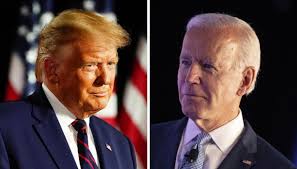
L’uscita di scena di Joe Biden a soli quattro mesi dalle elezioni presidenziali statunitensi ha sconcertato molti ed i commenti in queste ore non si sono fatti attendere, commenti che spesso e volentieri si sono segnalati all’attenzione dei lettori e degli osservatori stranieri, a vario titolo accreditati, più per i toni adottati dai loro autori che per i contenuti.
E infatti, come ha molto opportunamente osservato Paolo Falconio della LUISS Business School di Roma, accanto a qualche tentativo di analisi serio ed interessante sulla realtà americana o sulla strategia dei Democratici, in Italia, ma io direi in Europa ed in generale un po’ in tutto l’Occidente, la cosa è stata oggetto di dibattiti non solo del tutto avulsi dai fatti e dalle circostanze salienti della politica e della società americane, ma per somma neppure in grado di andare oltre i toni tipici del tifo da stadio sperticandosi in giudizi del tutto fuori luogo sulla salute dell’attuale inquilino della White House, come pure se sia o meno presente, se tutto ciò sia giusto, se Trump sia migliore e via discorrendo: e volutamente stendo un velo pietoso sulle esternazioni degli immancabili complottisti, per la verità legittimati da certe dichiarazioni a caldissimo rilasciate da esponenti politici vicini all’ex Presidente Trump a poche ore e persino a pochi minuti dall’attentato di qualche giorno fa alla vita del Tycoon.
Per la verità va detto che non poco la responsabilità di certi toni e di una certa deriva decisamente complottista del clima politico statunitense va ascritta proprio all’ex Presidente statunitense, Donald Tramp, come sinteticamente illustrato, ma pur sempre con dovizia di particolari, da un articolo apparso sul Nuovo Giornale Nazionale il 16 Luglio 2024 con il significativo titolo “The assassination attempt on Donald Trump! Reflection is urgently nedeed” (Text in English at the link).
Per somma, nonostante vi sia una consolidata narrativa che tende a presentare al di fuori dei confini statunitense questa campagna presidenziale come l’epica lotta tra il bene ed il male, come la lotta tra il guerrafondaio imperialista Biden ed il deus ex machina, il pacificatore Trump, in realtà i temi dominanti di questo acceso confronto politico sono quelli della sicurezza e dell’economia, con un occhio particolarmente attento alle strategie dei candidati relative al problema dello stratosferico debito publico, a tutto quanto concerne i prevedibili danni derivanti dalla Green Revolution e dalla politica monetaria di taglio monetarista della FED (che in realtà i più o non hanno visto –o hanno finto di non vedere– come tale), così come pure a quelli conseguenti dalla strenua lotta all’inflazione.
Per la verità una ben strana inflazione essendo la stessa una diretta conseguenza della politica sanzionatoria voluta dagli Stati Uniti che, colpendo il comparto energetico energetico russo e con esso quanti allo stesso hanno fino a quel momento attutò per le proprie esigenze, ha inciso pesantemente sull’intera filiera produttiva scaricandone i costi sui cittadini tutti – in particolare su quelli europei – che si sono trovati costretti a fare fronte ad un maggiore esborso di danaro per acquistare gli stessi beni e servizi acquistati in precedenza.
Stando così le cose, quello della presunta inflazione è stato ed ancora è un tema al quale gli Europei tutti dovrebbero prestare molta più attenzione di quanto sembra amino fare probabilmente perché trattasi di una questione legata direttamente al tipo di rapporti insistenti (e che si andranno ad instaurare) tra la EU e gli USA, eletto che sia alla Casa Bianca un Democratico o Trump poco importa, in un contesto che sempre più dovrà tenere conto del fatto che la questione del debito pubblico USA non é solo un problema interno degli Stati Uniti essendo che questo ha dei riflessi non indifferenti anche per gli Europei, Europei che dimenticano di far parte di quell’area del pianeta che usa lo USD come precipua moneta di scambio nelle contrattazioni internazionali, oltretutto in un contesto geopolitico che vede gli USA essere per loro un partner commerciale di non poco rilievo anche –ed in questo frangente soprattutto– per le forniture di tipo energetico e militare.
Tale circostanza, infatti, fa sì che le strategie monetarie adottate dagli USA per affrontare il problema del deficit (strategie che sempre hanno puntato a scaricare sugli altri – ci può stare – ed in particolare sui sedicenti ‘alleati’ – ci sta un po’ meno, direi – le conseguenze della loro ‘allegra’ politica economica e finanziaria – a tale proposito si veda quanto avvenne nel 1971, ai tempi della unilaterale denuncia degli Accordi di Bretton Woods) possano – come già accaduto in tempi a noi prossimi – dare luogo a variazioni non secondarie del rapporto di cambio USD-EUR che a loro volta hanno imposto ed ancora impongono una gestione della cosa da parte della BCE alquanto complessa, dovendo la stessa operare con un occhio attento tanto alla bilancia commerciale USA-EU, quanto a quella EU-resto del mondo, soprattutto per quello che riguarda la competitività delle nostre esportazioni (esportazioni che risultano oltremodo sfavorire da un apprezzamento della quotazione della divisa europea) se veramente vogliamo re-industrializzarci e per giunta vogliamo farlo (al momento follemente) in modo Green, attraendo, per somma, cospicui investimenti esteri nei comparti produttivi.
A tale proposito va notato che la oltremodo restrittiva politica monetaria attuata dalla FED ha di fatto costretto la BCE (banca centrale di uno Stato inesistente) ad adottare una politica in tutto e per tutto similare per l’EUR al fine di evitare, come detto, l’aggravio dell’esposizione finanziaria comunitaria legata in particolar modo agli approvvigionamenti energetici, LNG statunitense in primis: una scelta, si badi bene deflazionistica e non disinflazionistica (come là si è voluta spacciare per ragioni di opportunità politica degna di miglior causa) che per il settore economico nostrano ha prodotto, tra le altre cose, una maggiore difficoltà per le imprese quanto – e non solo – per tutto ciò che attiene alle loro politiche di investimento per via dell’aumento del costo del danaro.
Come dovrebbe essere noto, ma solitamente nessuno si perita di far si che lo sia (evviva la trasparenza e la correttezza dell’informazione tanto cara, a parole alla Presidente von der Leyen e suoi accoliti) la deflazione consiste di una riduzione del livello dei prezzi, associata di norma a una flessione accentuata dell’attività economica e dell’occupazione e differisce in modo sostanziale dalla disinflazione, ossia dalla politica economica adottata per contenere l’inflazione senza, però, che ciò debba necessariamente tradursi in una diminuzione dei prezzi. La deflazione tecnicamente si può verificare quando una caduta della domanda aggregata crea pressioni per un calo dei prezzi e dei salari in quanto i produttori con un eccesso di capacità produttiva cercano di stimolare la domanda abbassando i prezzi al consumo.
La deflazione, e quindi di conseguenza una politica deflazionistica, è in generale decisamente pericolosa per due motivi dei quali:
- il primo consiste del fatto che se il calo dei prezzi genera aspettative di una loro ulteriore flessione, tanto le imprese quanto le famiglie tendono a posporre gli acquisti non indispensabili, contribuendo così ad accentuare il declino dell’attività economica e dei prezzi dando il via ad una spirale deflazionistica;
- mentre il secondo consiste del fatto che qualora la progressiva decrescita dei ricavi e dei redditi monetari comprometta la solidità patrimoniale dei debitori (il cui debito è da restituire al valore monetario pregresso) da questo possono derivare insolvenze diffuse tra le imprese, con ripercussioni negative innanzitutto sul capitale delle banche creditrici.
Tanto in un contesto economico naturale e non in uno in cui l’aumento dei prezzi è determinato da una politica che artificialmente causa tutto questo come conseguenza di scelte strategiche del tutto errate, a loro volta frutto di una lettura viziata da valutazioni alquanto superficiali degli eventi, come testimoniato ampiamente dalla lettura alquanto superficiale dell’attacco russo all’Ucraina fornita nel 2022 dalla Vicepresidente, Sig.ra Kamala Harris, nel corso di una intervista rilasciata il 1° Marzo nel corso del programma radiofonico “The Morning Hustle” il 1° marzo 2022, meno di una settimana dopo l’invasione dell’Ucraina da parte dell’esercito russo, per spiegare la situazione in Ucraina in “termini semplici per le persone che non capiscono cosa sta succedendo”, del tutto inconsapevole che la prima a non capire nulla era lei stessa, il Presidente Biden, tutto il Pentagono e pure la CIA.
Chiusa la parentesi tecnica e ritornando a noi ed alla azzardata politica monetaria euro–statunitense, vi è da dire che tale modus operandi (tutto incentrato sul rialzo del tasso base), se per un verso ha potenzialmente favorito il collocamento del debito pubblico per i maggiori tassi di interesse corrisposti, di fatto ha avuto un diverso effetto negli Stati Uniti ed in Europa in quanto nei primi, essendo gli USA uno stato federale sovrano e non una mera astrazione geografica subalterna ad una potenza straniera, il Governo Federale ha potuto varare un piano di incentivi per favorire gli investimenti delle imprese e l’arrivo di capitali anche stranieri – per somma anche dalla EU – per tutta una serie di ovvie ragioni che nel Vecchio Continente non hanno trovato il necessario corrispondente.
Il che, detto per inciso e senza mezzi termini, spiega la folle autodistruttiva politica Green, voluta dalla Commissione Europea e supportata (per, si spera, solo crassa incompetenza) dal Parlamento Europeo, che punta a trovare i capitali necessari alla ripresa economica comunitaria imponendo in qualche modo, ope legis, ai privati ammodernamenti ed adeguamenti green al solo scopo di accedere ai risparmi di famiglie ed imprese, salvo poi spacciare all’occorrenza (leggi campagna elettorale, ad esempio) la decrescita del debito pubblico complessivo, ovvero il suo rallentato incremento, come il frutto di una giusta, oculata e sapiente politica economica.
Di questo non vi è, ovviamente, traccia sulla stampa mainstream rivolta al grande pubblico e temo che in un prossimo futuro articoli come questo possano essere censurati dagli organismi comunitari europei ai sensi del controverso Digital Service Act (DSA).
Quel DSA, approvato nell’agosto 2023 e caldamente promosso dal commissario europeo Thierry Breton, che promette di richiede alle piattaforme online con oltre 45 milioni di utenti attivi al mese (Facebook, X e Instagram, ma non solo) di censurare rapidamente la cosiddetta “disinformazione” e di fornire aggiornamenti regolari, o “rapporti di trasparenza”, su tutto il lavoro posto in essere “per combattere la disinformazione”, come dichiarato sul nuovo sito web del “centro di trasparenza” della EU, salvo criticare la similare e meno surrettizia normativa cinese da poco introdotta da Beijing ad Hong Kong, tant’è che, come ha sottolineato il summenzionato Paolo Falconio, “Il sonnambulismo ormai è cronico” e per dirla con Goya, il sonno della ragione non può che generare mostri.
Merita, con riferimento all’uscita di scena di Joe Biden, cercare di dare una risposta al seguente quesito: come può essere accaduto che la più grande democrazia del mondo (e il Partito Democratico) abbiano potuto accorgersi a soli 4 mesi dal voto che il loro candidato non era idoneo?
Davvero dobbiamo credere che tutti i principali attori Dem si siano risvegliati solo dopo il duello con Trump?
Per cercare in qualche modo di arrivare a fornire una spiegazione accettabile di tutto quanto è successo, nonché una risposta ai molti ulteriori quesiti che si sono via via appalesati in questi ultimi due anni, ritengo possa essere utile procedere adottando un cambio di prospettiva in quanto in certi frangenti questa è la sola cosa che puó aiutare a capire quello che a prima vista non solo può apparire incomprensibile, ma anche il frutto di una oltremodo preoccupante dabbenaggine e/o incompetenza, della quale a questo punto non mi stupirei più di tanto.
Nello specifico credo che tra i temi di interesse, non dico tanto per i cittadini americani, quanto piuttosto per l’establishment politico–economico–militare del Paese, oltre a quelli summenzionati, vi sia quello legato alla perdurante guerra in Ucraina.
Una guerra che, alla luce dei fatti, dubito qualcuno oltreoceano ritenga possa essere vinta da Kiev: un dato di fatto, questo, che combinato con l’impossibilità materiale per gli Stati Uniti di affrontare un conflitto che, in quanto non rientrante nei classico contesto delle Proxy Wars dei tempi passati per via dell’intervento militare diretto della Federazione Russa, non lascia spazio che ad una sola possibile conclusione: l’accettazione da parte di Kiev delle condizioni di Mosca ovvero, in alternativa una divisione alla coreana del Paese.
Altre possibilità non vi sono sul terreno in quanto, oltretutto, l’Europa non è assolutamente in grado di affrontare una guerra diretta con Mosca che la vedrebbe soccombere nel breve volgere di pochi giorni, se non addirittura di poche ore, per la totale impossibilità materiale anche di solo pensare all’invio di truppe sul fronte ucraino nonostante i proclami dei vertici politici della EU che dubito non abbiano preso in considerazione il fatto che non hanno il reale potere che l’essere nelle stanze ovattate della politica, nazionale e comunitaria, gli potrebbe far credere di avere: e questo tanto a Roma, quanto a Berlino, a Parigi e via discorrendo.
In questo senso, per arrivare a capitalizzare e consolidare i risultati ottenuti da Washington, a cominciare dalla riaffermazione della propria indiscussa leadership politica in Europa, dal consolidamento della NATO come pure, da un punto di vista economico, dal concreto successo della politica sanzionatoria applicata a Mosca, una politica che non ha sortito effetto alcuno sul Cremlino, bensì effetti clamorosi sull’Europa che ha dovuto, obtorto collo, farsi volano della crescita economica statunitense a partire dallo stimolo dato ai comparti industriali energetico e militare, necessita della conclusione della partita ucraina in tempi rapidi: un qualcosa che una rielezione di Biden avrebbe reso impossibile senza pagare un peso enorme in termini di affidabilità e credibilità a livello globale.
In questo senso una vittoria di Trump risolverebbe molte delle problematiche sul tappeto visto quanto dallo stesso fatto a suo tempo in Afganistan ed in Siria.
L’entrata in campo di Kamala Harris che a quanto pare, stando ad un recente sondaggio Reuters/psos sarebbe in vantaggio di due punti su Trump con il suo 44% di gradimento a fronte del 42% di Trump, potrebbe scombinare le carte in quanto l’attuale Vicepresidente rappresenta quel volto nuovo che molti Americani hanno cercato, poco gradendo in generale una corsa alla Casa Bianca guidata da due vere e proprie cariatidi della politica nazionale.
Certo è che se la strategia fosse quella ipotizzata pensando di puntare su una perdente per passare la patata bollente a Trump, certe passate e recenti dichiarazioni della Harris (quantunque di rito e per certo non smentite a poco meno di 48 ore dalla sua discesa in campo), in combine con il risultato del recente sondaggio, le cose non starebbero procedendo per il meglio.
La riprova, infatti, ce la fornirebbero alcune frasi della stessa Harris, rispettivamente, nell’ordine, sulla questione ucraina e sulla guerra a Gaza riportate in questi giorni dalla stampa nazionale ed estera:
- “La storia ne è testimone. Se restiamo a guardare mentre un aggressore invade il suo vicino impunemente, continuerà ad andare avanti. Nel caso di Putin, ciò significa che tutta l’Europa sarebbe minacciata. Se non riusciamo a imporre gravi conseguenze alla Russia, altri leader autoritari in tutto il mondo ne saranno incoraggiati”. Queste le nette parole pronunciate a più riprese dalla Harris che ha più volte incontrato il leader ucraino Zelensky, per somma rigettando qualsiasi ipotesi che gli Americani fermino gli aiuti a Kiev con le parole “L’Ucraina ha bisogno del nostro sostegno e noi dobbiamo darglielo”
- “Siamo stati molto chiari sul fatto che troppi palestinesi innocenti sono stati uccisi: siamo stati molto chiari sul fatto che Israele, il popolo israeliano e i palestinesi hanno diritto alla stessa dose di sicurezza e dignità” parlando, da sempre a favore della soluzione a due Stati e spesso critica nei confronti dello Stato ebraico, della necessità di alleviare quella che ha definito una “catastrofe umanitaria”
Frasi lapidarie, ma c’è da dire che se anche non si è mai visto un Vicepresidente assumere una posizione nettamente in contrasto con quelle del Presidente in carica, si è pure visto assumere –per ovvia opportunità politica e per non danneggiare l’immagine del Paese– un approccio morbido perfino da un neoeletto Presidente nei confronti del proprio predecessore, salvo poi procedere in direzione diametralmente opposta: mi riferisco al Democratico Barak Obama nei confronti del suo predecessore, il Repubblicano George W. Bush, sicché soffermarsi troppo su queste cose, su queste frasi è oltremodo controproducente soprattutto in un periodo storico in rapida evoluzione come questo.
In questo senso le ipotesi devono essere valutate per quello che sono: semplici ipotesi di lavoro tutte da verificare, ma tutte da prendere in esame per evitare ulteriori spiacevoli sorprese.
Nello specifico dell’Ucraina, poi, dato che è risaputo che Zelensky ha una autonomia decisionale pari a zero, e che per somma nessuno sa cosa ha preceduto l’abbandono di Biden ed ha portato alla discesa in campo della Harris, tutto è ancora possibile e non ci resta che attendere con trepidazione.
—————————————————————
BIDEN: A STRATEGIC EXIT? WHAT FUTURE FOR THE EUROPEAN UNION?
Joe Biden’s exit from the scene just four months before the U.S. presidential election has disconcerted many and the comments in recent hours have not been long in coming, comments that have often and willingly drawn the attention of readers and foreign observers, variously accredited, more for the tones adopted by their authors than for their content.
And in fact, as Paolo Falconio of the LUISS Business School in Rome has very appropriately observed, alongside some serious and interesting attempts at analysis of the American reality or of the Democrats’ strategy, in Italy, but I would say in Europe and in general a bit in the whole West, the thing has been the subject of debates not only completely divorced from the salient facts and circumstances of American politics and society, but for sum not even able to go beyond the typical tones of stadium cheering by ramming into completely misplaced judgments about the health of the current White House tenant, as well as whether or not he is present, whether all this is right, whether Trump is better, and so on: and I deliberately draw a pious veil over the utterances of the ever-present conspiracists, admittedly legitimized by certain hot-button statements made by political figures close to former President Trump within hours and even minutes of the attempt on the Tycoon’s life a few days ago.
To tell the truth, it must be said that not a little responsibility for certain tones and a certain decidedly conspiratorial drift in the U.S. political climate must be ascribed precisely to former U.S. President Donald Tramp, as succinctly illustrated, but nevertheless still in great detail, by an article that appeared in the New National Newspaper on July 16, 2024 with the significant headline “The assassination attempt on Donald Trump! Reflection is urgently nedeed” (Text in English at the link).
In sum, although there is a well-established narrative that tends to present outside U.S. borders this presidential campaign as the epic struggle between good and evil, as the struggle between the imperialist warmonger Biden and the deus ex machina, the peacemaker Trump, in reality the dominant themes of this heated political confrontation are those of security and economics, with an especially keen eye on the candidates’ strategies related to the problem of the stratospheric public debt, on everything related to the foreseeable damage resulting from the Green Revolution and the FED’s monetarist-cut monetary policy (which in reality most either did not see-or pretended not to see-as such), as well as those consequent to the strenuous fight against inflation.
To tell the truth, a very strange inflation being the same a direct consequence of the sanctioning policy wanted by the United States, which, by hitting the Russian energy sector and with it those who have so far drawn on it for their own needs, has severely affected the entire production chain, unloading the costs onto all citizens-particularly European ones-who have found themselves forced to face a greater outlay of money to buy the same goods and services they had previously purchased.
This being the case, that of alleged inflation has been and still is an issue to which Europeans all should pay much more attention than they seem to like to do probably because it is an issue directly related to the kind of relationship insisted upon (and going to be established) between the EU and the U.S., elected whether a Democrat or Trump is in the White House matters little, in a context that will increasingly have to take into account the fact that the issue of the U.S. public debt is not only an internal problem of the United States being that this has not indifferent repercussions for Europeans as well, Europeans who forget that they are part of that area of the planet that uses the USD as its main currency in international negotiations, moreover in a geopolitical context that sees the U.S. being for them a trade partner of no small importance also -and at this juncture especially- for energy and military supplies.
This circumstance, in fact, means that the monetary strategies adopted by the U.S. to deal with the deficit problem (strategies that have always aimed at offloading on others -it may fit- and in particular on the self-styled ‘allies’-it fits a little less, I would say- the consequences of their ‘cheerful’ economic and financial policies- in this regard see what happened in 1971, at the time of the unilateral denunciation of the Bretton Woods Agreements) may -as has already happened in times close to us- give rise to non-secondary variations in the USD-EUR exchange rate, which in turn have imposed and still impose a rather complex management of the matter by the ECB, having to operate with a watchful eye on both the U.S.-EU trade balance and the EU-rest of the world trade balance, especially with regard to what concerns the competitiveness of our exports (exports that are exceedingly disadvantaged by an appreciation of the European currency’s quotation) if we really want to re-industrialize ourselves and moreover want to do so (at the moment foolishly) in a Green way, attracting, for sum, conspicuous foreign investments in the productive sectors.
In this regard, it should be noted that the exceedingly restrictive monetary policy implemented by the FED has in fact forced the ECB (central bank of a non-existent state) to adopt an entirely similar policy for the EUR in order to avoid, as mentioned, the aggravation of the EU’s financial exposure linked in particular to energy supplies, U.S. LNG in primis: a choice, mind you, that is deflationary and not disinflationary (as there it has been passed off for reasons of political expediency worthy of a better cause) that for our economic sector has produced, among other things, a greater difficulty for businesses as much as -and not only- for everything related to their investment policies because of the increase in the cost of money.
As should be well known, but usually no one takes the trouble to make sure that it is (yay for the transparency and correctness of information so dear in words to President von der Leyen and his acolytes), deflation consists of a reduction in the price level, usually associated with a pronounced downturn in economic activity and employment, and differs substantially from disinflation, i.e., economic policy adopted to contain inflation without, however, that this must necessarily result in a decrease in prices. Deflation technically can occur when a fall in aggregate demand creates pressure for falling prices and wages as producers with excess capacity seek to stimulate demand by lowering consumer prices.
Deflation, and thus consequently a deflationary policy, is in general decidedly dangerous for two reasons of which:
- the first consists of the fact that if falling prices generate expectations of their further decline, both firms and households tend to postpone non-essential purchases, thus contributing to accentuating the decline in economic activity and prices by initiating a deflationary spiral; while
- the second consists of the fact that if the gradual decline in revenues and monetary income undermines the capital soundness of debtors (whose debt is to be repaid at its past monetary value) from this may result in widespread insolvencies among enterprises, with negative repercussions first and foremost on the capital of creditor banks.
So much in a natural economic environment and not one in which rising prices are brought about by a policy that artificially causes all this as a consequence of completely wrong strategic choices, themselves the result of a reading tainted by rather superficial assessments of events, as amply evidenced by the rather superficial reading of the Russian attack on Ukraine given in 2022 by the Vice President, Ms.Ms. Kamala Harris, during an interview given on the radio program “The Morning Hustle” on March 1, 2022, less than a week after the invasion of Ukraine by the Russian military, to explain the situation in Ukraine in “simple terms for people who do not understand what is going on,” completely unaware that the first one who did not understand anything was herself, President Biden, the entire Pentagon and even the CIA.
Having closed the technical parenthesis and returning to us and to the risky Euro-U.S. monetary policy, it must be said that this modus operandi (all focused on raising the base rate), if on the one hand it potentially favored the placement of public debt because of the higher interest rates paid, in fact had a different effect in the U.S. and Europe in that in the former the U.S. being a sovereign federal state and not a mere geographic abstraction subordinate to a foreign power, the federal government has been able to launch a plan of incentives to encourage business investment and the arrival of capital, including foreign capital -perhaps even from the EU- for a whole series of obvious reasons that in the Old Continent have not found the necessary correspondent.
Which, said in passing and in no uncertain terms, explains the insane self-destructive Green policy, wanted by the European Commission and supported (for, hopefully, only crass incompetence) by the European Parliament, which aims to find the necessary capital for EU economic recovery by somehow imposing, ope legis, on private individuals to modernize and make green adjustments for the sole purpose of accessing the savings of families and businesses, except to then pass off when necessary (read election campaigning, for example) the decrease in overall public debt, or its slowed increase, as the fruit of a just, prudent and wise economic policy.
There is, of course, no trace of this in the mainstream press aimed at the general public, and I fear that in the near future articles like this may be censored by European community bodies under the controversial Digital Service Act (DSA).
That DSA, passed in August 2023 and warmly promoted by European Commissioner Thierry Breton, which promises to require online platforms with more than 45 million monthly active users (Facebook, X and Instagram, but not only) to quickly censor so-called “disinformation” and provide regular updates, or “transparency reports,” on all the work put in place “to combat disinformation,” as stated on the EU’s new “transparency center” website, except to criticize the similar and less surreptitious Chinese regulations recently introduced by Beijing in Hong Kong, so much so that, as the aforementioned Paolo Falconio pointed out, “Sleepwalking is now chronic,” and in the words of Goya, the sleep of reason can only breed monsters.
It deserves, with reference to Joe Biden’s exit from the scene, to try to give an answer to the following question: how could it have happened that the world’s largest democracy (and the Democratic Party) could realize only 4 months after the vote that their candidate was unfit?
Are we really to believe that all the major Dem players woke up only after the duel with Trump?
In order to try in some way to arrive at an acceptable explanation of all that has happened, as well as an answer to the many additional questions that have gradually surfaced over the past two years, I believe it may be useful to proceed by adopting a change of perspective since at certain junctures this is the only thing that can help to understand what at first glance may not only appear incomprehensible, but also the result of an exceedingly troubling dabbling and/or incompetence, of which at this point I would not be too surprised.
Specifically, I believe that among the issues of interest, I am not saying so much to American citizens as to the country’s political-economic-military establishment, in addition to those mentioned above, is that related to the continuing war in Ukraine.
A war that, in the light of the facts, I doubt anyone overseas believes can be won by Kiev: a fact, this, combined with the material impossibility for the United States to deal with a conflict that, insofar as it does not fit into the classic context of the Proxy Wars of past times because of the direct military intervention of the Russian Federation, leaves room for only one possible conclusion: acceptance by Kiev of Moscow’s conditions or, alternatively a Korean-style division of the country.
Other possibilities do not exist on the ground since, moreover, Europe is in no way capable of facing a direct war with Moscow that would see it succumb in the short turn of a few days, if not even a few hours, due to the total material impossibility of even thinking about sending troops to the Ukrainian front despite the proclamations of the EU’s political leadership that I doubt they have not taken into consideration the fact that they do not have the real power that being in the muffled rooms of politics, national and EU, might make them believe they have: and this as much in Rome as in Berlin, Paris and so on.
In this sense, to get to capitalize on and consolidate Washington’s achievements, beginning with the reaffirmation of its undisputed political leadership in Europe, the consolidation of NATO as well as, from an economic point of view, the concrete success of the sanctions policy applied to Moscow, a policy that has had no effect whatsoever on the Kremlin, but rather resounding effects on Europe, which has had to, obtorto collo, make itself the flywheel of U.S. economic growth starting with the stimulus given to the energy and military industrial sectors, necessitates the conclusion of the Ukrainian game quickly: something that a re-election of Biden would have made impossible without paying a huge burden in terms of global reliability and credibility.
In this sense, a Trump victory would resolve many of the issues on the table given what he has done in his time in Afghanistan and Syria.
The entry of Kamala Harris, who apparently, according to a recent Reuters/psos poll, is two points ahead of Trump with her 44 percent approval rating compared to Trump’s 42 percent, could upset the applecart as the current vice president represents that new face that many Americans have been looking for, disliking in general a White House race led by two veritable caryatids of national politics.
Certainly, if the strategy was the one hypothesized by thinking of betting on an underdog to pass the hot potato to Trump, certain past and recent statements by Harris (albeit ritual and certainly not denied a little less than 48 hours after her descent into the field), in combine with the result of the recent poll, things would not be going well.
The proof, in fact, would be provided by some of Harris’ own phrases, respectively, in that order, on the Ukrainian issue and the war in Gaza reported in the domestic and foreign press in recent days:
- “History bears witness to this. If we stand by while an aggressor invades his neighbor with impunity, it will continue to go on. In Putin’s case, this means that all of Europe would be threatened. If we fail to impose serious consequences on Russia, other authoritarian leaders around the world will be emboldened.” These are the stark words spoken repeatedly by Harris, who has met several times with Ukrainian leader Zelensky, for sum rejecting any suggestion that the Americans stop aid to Kiev with the words “Ukraine needs our support and we need to give it”
- “We have been very clear that too many innocent Palestinians have been killed: we have been very clear that Israel, the Israeli people and the Palestinians are entitled to the same dose of security and dignity” speaking, always in favor of the two-state solution and often critical of the Jewish state, of the need to alleviate what he called a “humanitarian catastrophe”
Phrases that are lapidary, but it must be said that even if one has never seen a Vice President take a position sharply at odds with those of the incumbent President, one has also seen -for obvious political expediency and in order not to damage the country’s image- a soft approach taken even by a newly elected President towards his predecessor, except to then proceed in the diametrically opposite direction: I am referring to Democrat Barak Obama towards his predecessor, Republican George W. Bush, so that to dwell too much on these things, on these phrases, is beyond counterproductive especially in such a rapidly changing historical period.
In this sense, hypotheses must be evaluated for what they are: simple working hypotheses all to be tested, but all to be considered in order to avoid further unpleasant surprises.
In the specifics of Ukraine, then, since it is well known that Zelensky has zero decision-making autonomy, and that for sum no one knows what preceded Biden’s departure and led to Harris’s descent into the field, anything is still possible and we have only to wait with trepidation.