

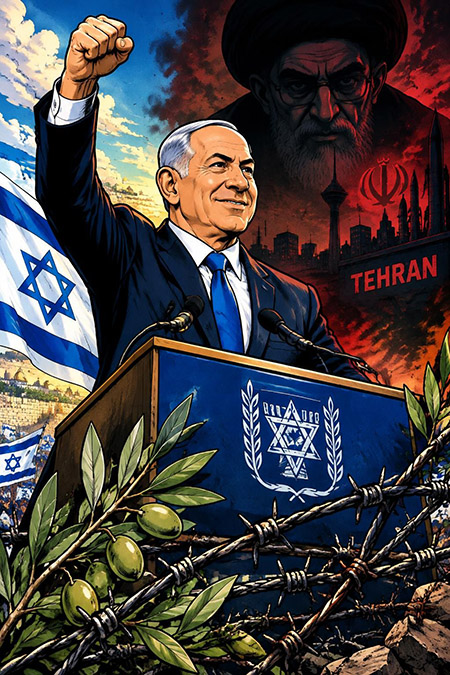
The consequences of the war and the paradox of a military victory that could become a strategic opportunity for Tehran
Winning battles does not necessarily mean winning the war. And it certainly does not mean building peace.
Israel has demonstrated its military superiority, but the decisive question remains unanswered: has the war in Gaza made the country safer, or does it risk weakening Israel’s strategic position?
This is the central question explored in the essay accompanying this article. Going beyond the military balance sheet, it examines the political and diplomatic price of the conflict, growing divisions within Israeli society, missed opportunities to build a regional understanding, and the potential indirect benefits for Iran.
The contradiction runs deep: Tehran may not need to win the war outright if the consequences of Israel’s decisions end up making cooperation among its adversaries more difficult.
The point, therefore, is neither to deny Israel’s military successes nor to overlook Hamas’s responsibility. It is to determine whether those successes have brought Israel closer to lasting security or, on the contrary, have narrowed the political space needed to achieve it.
Military power can destroy an enemy. But only a far-sighted political strategy can build a more secure order.
This is the central question of the accompanying essay, “Netanyahu: Time to Take Stock”: a reflection on the consequences of the war and on the paradox of a military victory that could become a strategic opportunity for Tehran.
Reading the full essay is essential to understanding why, in the Middle East, winning on the battlefield is not necessarily enough to win the larger strategic contest
Attachment
Netanyahu: It’s Time to Take Stock