

Ieri gli Stati Uniti hanno salutato il loro 47° Presidente, quel Donald Trump che, dopo l’interregno del duo Biden–Harris, proprio ieri si è accinto a fare per la seconda volta, forte del suo composito staff dirigenziale, il proprio ingresso trionfale alla Casa Bianca dopo una campagna elettorale per certi versi decisamente unica nel suo genere.
I più, alquanto inconsapevolmente, hanno guardato alla cosa come alla resa dei conti di due diversi modi di pensare alla politica e al fare politica. Un qualcosa che, mutatis mutandis, in realtà era già avvenuto, aveva già visto la luce, in Italia facendo seguito alla fine della Prima Repubblica, ossia nel momento in cui il populismo di Silvio Berlusconi è assurto al rango di strategia politica ed il partito da lui fondato, Forza Italia, si è proposto come una sorta di ariete dichiaratamente volto a stravolgere quel vecchio lobbismo che rappresenta da sempre la regola della politica statunitense ed in Italia, fino a quel momento, era stato un qualcosa che aveva assunto più che altro le caratteristiche, decisamente meno limpide, del clientelismo ereditato dalla storia di Roma antica.
La lotta politica negli Stati Uniti dell’era Trump ha così assunto le caratteristiche dello scontro tutto all’insegna dell’additamento al pubblico ludibrio dell’avversario in quanto tale e i toni adoperati sono stati via via sempre più quelli accesi di chi vuole perseguire i propri obiettivi facendo leva sugli istinti serpeggianti nelle piazze armando la rabbia ed il legittimo risentimento delle masse popolari nei confronti dell’altro, ovverosia di chi aveva cessato di essere un avversario politico per mutarsi nel nemico da battere, da distruggere, da trascinare nella polvere come già Achille fece con il corpo esanime di Enea (quantunque sia ben lungi da me il voler stabilire dei parallelismi valoriali o disvaloriali tra i due personaggi omerici ed i due contendenti nella da poco conclusasi campagna elettorale presidenziale)
Trump si è segnalato già nella sua prima Campagna elettorale –quella che lo aveva portato per la prima volta alla Casa Bianca– per aver importato questo modus operandi adattandolo al contesto nordamericano e questo non è un giudizio politico, ma solo una lettura dei fatti.
I successivi quattro anni di Biden non sono stati in grado di cambiare le cose per mille motivi, tra i quali spiccano sicuramente le difficoltà contingenti che il Presidente Democratico si è trovato ad affrontare, difficoltà strettamente derivanti dal mutato in tempi troppo rapidi assetto geopolitico globale che non è stato in grado di leggere adeguatamente vuoi per l’età avanzata, vuoi per lo stato di salute, vuoi per la non facile decifrazione di quanto in evoluzione, trovandoci in un contesto globalizzato, con tempistiche che un tempo avrebbero richiesto tre, quattro se non addirittura cinque o sei generazioni.
L’elezione di Biden grazie a Trump –e questo gli va ascritto a suo demerito– è stata vissuta non come la vittoria del 46° Presidente di tutti gli Americani, bensì come l’ascesa al potere di una parte politica che andava contrastata in toto in quanto tale, alimentando la divisività e la conflittualità intestine alla società statunitense: un qualcosa che offre il fianco ad attacchi del tipo codificato nel contesto della cosiddetta Guerra Cognitiva.
Uno degli aspetti salienti della politica estera che dovranno essere affrontati da Trump riguarda le guerre in corso in Ucraina ed in Medioriente, l’emersione prepotente di nuovi Competitor internazionali, la de–globalizzazione, il compattamento dell’Alleanza Atlantica nonché, sul fronte interno, la crisi economica, la distruzione della middle class e la crisi del crescente debito pubblico in un contesto che, quantunque non si presti in tempi brevi ad essere caratterizzato dalla dedollarizzazione, vede non poco indebolita la posizione della divisa statunitense.
In questo contesto è ovvio che non poche siano al momento le possibilità di spuntare ottimi profitti grazie alla mirata attività degli speculatori finanziari per i quali ogni crisi spalanca le porte a nuove opportunità, ma proprio questo offre un interessante spunto per riflettere sui profondi cambiamenti in atto in quanto già da ora, così come sarà ancora più evidente nel prosieguo degli anni e perfino dei mesi a venire, cogliere e promuovere le migliori opportunità di investimento dovrà decisamente tenere in debito conto la parallela promozione dell’accrescimento della via via sempre più importante capacità di valutare i rischi geopolitici strettamente connessi ai rapidissimi cambiamenti in atto.
Un qualcosa che la globalizzazione, con le sue interdipendenze tra i diversi competitors, ha reso di difficile attuazione per la mole di elementi in gioco di tipo sociale, politico, storico, culturale, religioso, antropologico, filosofico, scientifico, tecnologico… come mai era avvenuto prima d’ora, ovverosia in un contesto che ha visto per decenni l’eurocentrismo di matrice anglosassone farla da padrone su scala mondiale.
A tale proposito si pensi solo all’importanza di conoscere, nel contesto della logica a fondamento dell’arte della guerra, le filosofie politiche poste a fondamento del pensiero di un von Clausewitz e di quello di un Sun Tzu. E lo stesso dicasi nell’ambito della politica estera anche se al momento il vero problema è a cosa guardare, cosa prendere in esame e quale peso attribuire agli elementi selezionati.
Se in un tale contesto è evidente che i vecchi modi di investire il proprio danaro con modalità che giocavano ed ancora giocano con le statistiche hanno, se non i giorni o i mesi, sicuramente gli anni contati, è facile rendersi conto che il problema dei problemi di quest’epoca, contrassegnata, per somma, dall’avvento della nuova AI Age, non è stato nemmeno lontanamente inquadrato da chi oggi gioca a fare lo statista facendosi forte di un consenso elettorale il cui peso politico sarà in tempi rapidi azzerato da quella AI Revolution che renderà inutili centinaia di milioni di parsone la cui inutilità sul piano lavorativo si tradurrà nella parallela perdita di forza contrattuale e quindi di peso nel contesto decisionale.
Una partita di peso che la divisivitá sociale stimolata dai social media e da questi accresciuta sta per rendere irreversibile in primis in quell’Occidente che pensa scioccamente di accrescere la tutela dei propri valori e dei propri territori aumentando a dismisura la spesa militare senza parimenti affrontare il primo nemico da contrastare: quella decrescita culturale che determinato la mostruosa diffusione dell’analfabetismo funzionale.
Ed ecco perché, poiché la geopolitica è una sorta di sinonimo di economia e finanza, ritengo che non poco sia valsa qui la pena di porre l’accento sul fatto che per adottare in politica estera, così come nel contesto dei mercati, le migliori scelte occorre essere in grado di acquisire per tempo le più rispondenti alla realtà chiavi di lettura dei fatti, lasciando da parte gli aspetti talvolta coreografici caratterizzanti gli scenari in cui tutto si va a collocare.
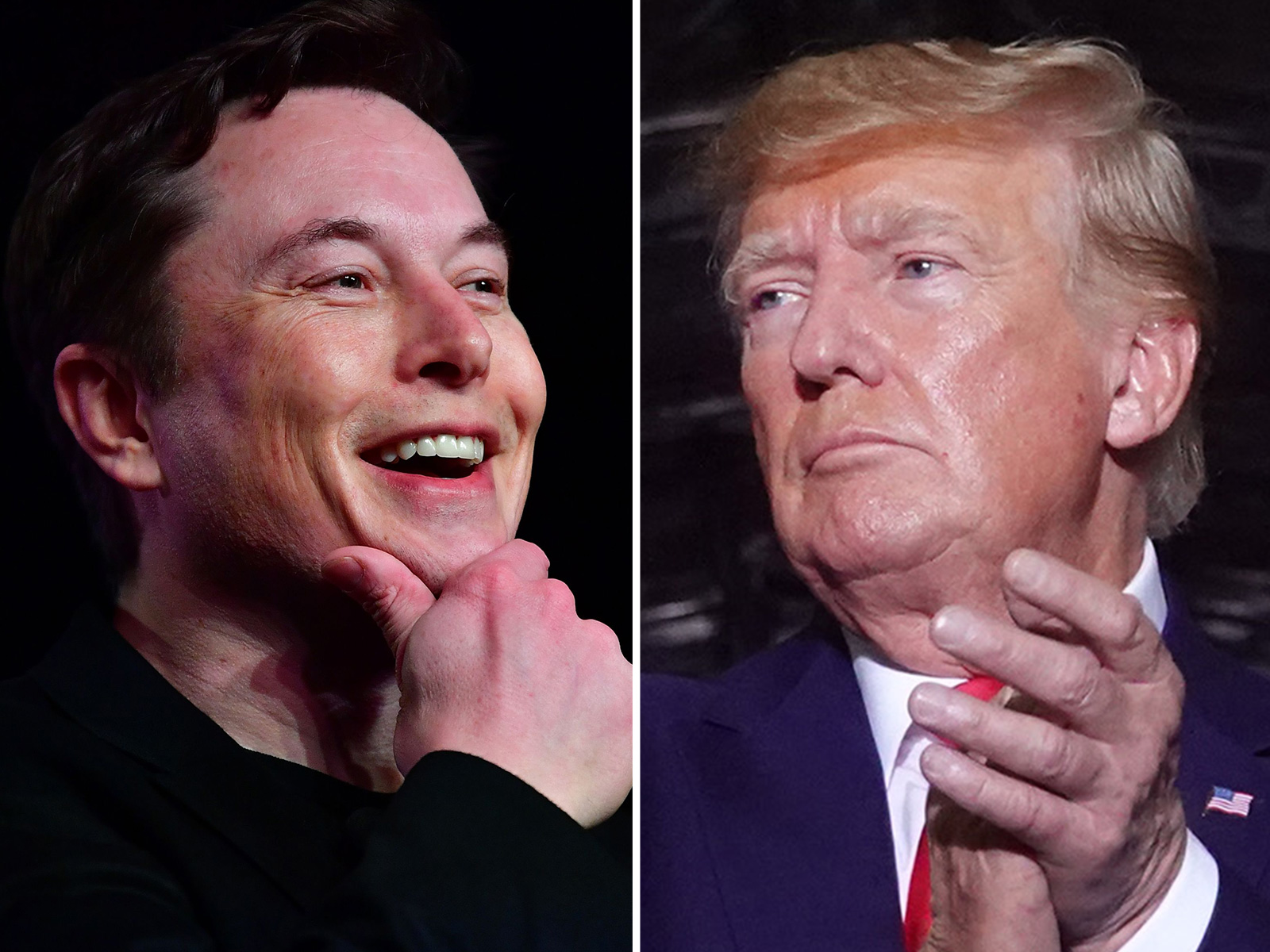
È in questo senso, tanto per menzionare solo alcuni dei temi che ho selezionato con cura, che personalmente ho ritenuto di prendere in esame, con tutti gli annessi e connessi del caso, la sempre più probabile crisi bancaria cinese che mi appare meno remota di quanto possa apparire a prima vista, la sempre più calda area dei Balcani (Kosovo) di cui nessuno pressoché parla e, soprattutto degli Stati Uniti, il Paese leader dell’Occidente di cui tutti stanno discettando da settimane pensando a cosa farà Trump, ma di cui nessuno parla ponendo l’accento su come Trump ha ottenuto la candidatura in alternativa a Ron DeSantis: un qualcosa la cui presa in considerazione fa da apripista ad una delle domande chiave da porsi e che ha per oggetto il cosa ci faccia Elon Musk nel team di Donald Trump.
Di quel Trump che il Partito Repubblicano non voleva e che i suoi ex finanziatori avevano abbandonato preferendogli il Governatore della Florida: quel Ron DeSantis, astro nascente del Partito Repubblicano, che ad un certo punto, a Gennaio 2024, ha fatto, obtorto collo, un passo indietro: un tema questo su cui a breve dovrei pubblicare un’ampia ricerca i cui primi passi sono stati contrassegnati dalla pubblicazione in anteprima di alcune riflessioni specifiche sul quotidiano italiano indipendente Gli Stati Generali.
Vale a tale proposito la pena di leggere, quali spunti di riflessione i seguenti articoli:
- “Ron DeSantis will launch his presidential bid with Elon Musk” pubblicato da NBC News il 23 maggio 2023 con le firme Di Dasha Burns e Matt Dixon dal quale è stato possibile apprendere quanto testualmente segue: “Il governatore della Florida Ron DeSantis annuncerà la sua candidatura alla presidenza durante una discussione con l’amministratore delegato di Twitter Elon Musk, come hanno riferito tre fonti a conoscenza dei piani a NBC News.
Musk e DeSantis terranno un evento su Twitter Spaces, la piattaforma del sito per le chat audio, mercoledì alle 18.00 ET. L’evento sarà moderato da David Sacks, un imprenditore tecnologico che è un confidente di Musk e un sostenitore di DeSantis”
- “Elon Musk burned $10 million to help Ron DeSantis and has spent years backing Republican causes: reports” pubblicato il 3 Ottobre 2023 da Business Insider con la firma di Aditi Bharade dal quale apprendiamo che “L’amministratore delegato di Tesla e SpaceX ha dato al governatore della Florida Ron DeSantis una donazione di 10 milioni di dollari per la sua effimera candidatura alle presidenziali del 2023, ha riferito mercoledì il Wall Street Journal, citando persone a conoscenza della donazione”. Ed ancora “Musk ha donato il denaro a un gruppo chiamato Faithful & Strong Policies, ha riferito il Journal”. Nello specifico, il citato autorevole WSJ del 2 Ottobre 2023 nel richiamato articolo scritto da Dana Mattioli, Joe Palazzolo e Khadeeja Safdar intitolato
- “Elon Musk donated tens of millions to Republican causes much earlier than previously known”, ci ha permesso di apprendere che, come si può leggere nel sottotitolo, “Le donazioni erano destinate a gruppi legati all’ex collaboratore di Trump Stephen Miller e alla candidatura alle presidenziali del governatore della Florida Ron DeSantis”. È interessante notare che dallo stesso articolo del WSJ si è potuto apprendere che più della metà del denaro donato a Faithful & Strong Policies è andato a Never Back Down, un comitato di azione politica pro-DeSantis, che all’epoca era considerato il rivale più agguerrito di Trump per ottenere la nomination presidenziale repubblicana…
Ed ora abbiamo Elon Musk nello staff di Trump sicché la domanda è non cosa farà Trump, ma cosa farà Musk … in quanto da questo possono derivare molte cose …
————————————————————————————-
DONALD TRUMP, 47TH PRESIDENT OF THE UNITED STATES OF AMERICA: — AND ELON MUSK?
Today the United States greets its 47th president, that Donald Trump who, after the interregnum of the Biden-Harris duo, on this very date is about to make his triumphant entry into the White House for the second time, bolstered by his composite senior staff, after a campaign that was in some ways decidedly unique.
Most, somewhat unwittingly, have looked at it as a reckoning of two different ways of thinking about politics and policymaking. Something that, mutatis mutandis, had actually already happened, had already seen the light, in Italy following the end of the First Republic, that is, at the moment when Silvio Berlusconi’s populism rose to the rank of political strategy and the party he founded, Forza Italia, proposed itself as a kind of battering ram avowedly aimed at overturning that old lobbying that has always been the rule in U.S. politics and in Italy, up to that point, had been something that had taken on more of the decidedly less limpid characteristics of clientelism inherited from the history of ancient Rome.
The political struggle in the United States of the Trump era has thus taken on the characteristics of the clash all under the banner of pointing the adversary as such to public ridicule, and the tones used have gradually been more and more those of the heated ones of those who want to pursue their goals by appealing to the instincts snaking through the squares by arming the anger and legitimate resentment of the popular masses against the other, that is, of the one who had ceased to be a political adversary to mutate into the enemy to be beaten, to be destroyed, to be dragged into the dust as Achilles already did with the lifeless body of Aeneas (although it is far from me to want to establish value or disvalue parallels between the two Homeric characters and the two contenders in the recently concluded presidential election campaign)
Trump signaled himself already in his first Election Campaign-the one that had brought him to the White House for the first time-for having imported this modus operandi by adapting it to the North American context, and this is not a political judgment, but just a reading of the facts.
Biden’s subsequent four years were not able to change things for a thousand reasons, among which certainly stand out the contingent difficulties that the Democratic president faced, difficulties strictly stemming from the changing global geopolitical order too quickly, which he was not able to read adequately either because of his advanced age, or because of his state of health, or because of the not easy deciphering of what was evolving, finding ourselves in a globalized context, with timelines that once would have taken three, four if not even five or six generations.
Biden’s election thanks to Trump -and this must be credited to him- was experienced not as the victory of the 46th President of all Americans, but rather as the rise to power of a political party that had to be opposed in its entirety as such, fueling the divisiveness and conflict within U.S. society-something that offers the side of attacks of the kind codified in the context of so-called Cognitive Warfare.
One of the salient aspects of foreign policy that will have to be addressed by Trump concerns the ongoing wars in Ukraine and the Middle East, the overbearing emergence of new International Competitors, de-globalization, the compacting of the Atlantic Alliance as well as, on the domestic front, the economic crisis, the destruction of the middle class and the crisis of the growing public debt in a context that, however much it does not lend itself to dedollarization any time soon, sees the position of the U.S. currency weakened not a little.
Against this backdrop it is obvious that there are not a few opportunities at the moment to reap excellent profits thanks to the targeted activity of financial speculators for whom every crisis opens the door to new opportunities, but this very fact offers interesting food for thought about the profound changes taking place in that already as of now, as well as will be even more evident in the years and even months to come, seizing and promoting the best investment opportunities will definitely have to take due account of the parallel promotion of the increasingly important enhancement of the ability to assess geopolitical risks closely related to the very rapid changes taking place.
This is something that globalization, with its interdependencies among different competitors, has made difficult to implement due to the amount of social, political, historical, cultural, religious, anthropological, philosophical, scientific, technological elements at stake… as never before, that is, in a context that has seen for decades Anglo-Saxon Eurocentrism rule the world.
In this regard, one need only think of the importance of knowing, in the context of the logic underlying the art of war, the political philosophies posited in the thought of a von Clausewitz and that of a Sun Tzu. And the same is true in the context of foreign policy although at the moment the real issue is what to look at, what to consider and what weight to give to the elements selected.
If in such a context it is evident that the old ways of investing one’s money in ways that played and still play with statistics have, if not their days or months, certainly their years numbered, it is easy to realize that the problem of the problems of this era, marked, for sum, by the advent of the new AI Age, has not even been remotely framed by those who are playing statesman today, making themselves strong by an electoral consensus whose political weight will be quickly wiped out by that AI Revolution that will render useless hundreds of millions of parsons whose uselessness at the work level will result in the parallel loss of bargaining power and thus weight in the decision-making context.
A game of weight that the social divisiveness stimulated by social media and heightened by them is about to make irreversible first and foremost in that West that foolishly thinks of increasing the protection of its values and territories by disproportionately increasing military spending without likewise addressing the first enemy to be countered: that cultural decline that determined the monstrous spread of functional illiteracy.
And that is why, since geopolitics is a kind of synonym for economics and finance, I believe that it is not a little worthwhile here to emphasize the fact that in order to adopt in foreign policy, as well as in the context of markets, the best choices must be able to acquire in time the most responsive to reality keys to interpret the facts, leaving aside the sometimes choreographic aspects characterizing the scenarios in which everything is to be placed.
It is with this in mind, just to mention a few of the issues I have carefully selected, that I personally felt it necessary to examine, with all the attendant anxieties, the increasingly likely Chinese banking crisis, which appears to me to be less remote than it might appear at first glance, the increasingly hot area of the Balkans (Kosovo) that almost no one is talking about, and, most importantly the United States, the leading country of the West that everyone has been discussing for weeks thinking about what Trump will do, but no one is talking about by placing emphasis on how Trump got the nomination as an alternative to Ron DeSantis: something whose consideration leads the way to one of the key questions to be asked, and that has to do with what Elon Musk is doing on Donald Trump’s team.
About that Trump whom the Republican Party did not want and whom his former backers had abandoned in preference to the Governor of Florida: that Ron DeSantis, rising star of the Republican Party, who at some point, in January 2024, obtorto collo, took a step backward: a topic on which I should soon publish an extensive research paper whose first steps were marked by the preview publication of some specific reflections in the independent Italian newspaper Gli Stati Generali.
In this regard, the following articles are worth reading as food for thought:
- “Ron DeSantis will launch his presidential bid with Elon Musk” published by NBC News on May 23, 2023 with the signatures Of Dasha Burns and Matt Dixon from which it was possible to learn the following verbatim: “Florida Governor Ron DeSantis will announce his candidacy for president during a discussion with Twitter CEO Elon Musk, three sources familiar with the plans told NBC News. Musk and DeSantis will hold an event on Twitter Spaces, the site’s platform for audio chats, on Wednesday at 6 p.m. ET. The event will be moderated by David Sacks, a tech entrepreneur who is a Musk confidant and a DeSantis supporter.”
- “Elon Musk burned $10 million to help Ron DeSantis and has spent years backing Republican causes: reports” published on Oct. 3, 2023 by Business Insider with the byline of Aditi Bharade from which we learn that “The Tesla and SpaceX CEO gave Florida Governor Ron DeSantis a $10 million donation for his ephemeral 2023 presidential bid, the Wall Street Journal reported Wednesday, citing people with knowledge of the donation.” And again, “Musk donated the money to a group called Faithful & Strong Policies, the Journal reported.” Specifically, the cited authoritative WSJ of Oct. 2, 2023 in the recalled article written by Dana Mattioli, Joe Palazzolo and Khadeeja Safdar titled
- “Elon Musk donated tens of millions to Republican causes much earlier than previously known,” allowed us to learn that, as we can read in the subtitle, “The donations were earmarked for groups linked to former Trump aide Stephen Miller and Florida Gov. Ron DeSantis’ presidential bid.” Interestingly, from the same WSJ article it could be learned that more than half of the money donated to Faithful & Strong Policies went to Never Back Down, a pro-DeSantis political action committee, which at the time was considered Trump’s fiercest rival to clinch the Republican presidential nomination…
And now we have Elon Musk on Trump’s staff so that the question is not what is Trump going to do, but what is Musk going to do … in that a lot of things can come out of this …