
di Cristina Di Silvio e Maurizio Colangelo
L’Africa sospesa tra fame, carestie e guerre dimenticate
Abstract
Nel 2025, l’Africa urla tra fame, guerre e siccità mentre il mondo sembra voltarsi altrove. Dietro ogni dato, c’è un bambino che cammina chilometri per un sorso d’acqua, una madre che riduce i pasti ai propri figli, una famiglia costretta a fuggire. Si racconta la tragedia reale del continente: l’indifferenza globale è un lusso che non possiamo più permetterci.
———-
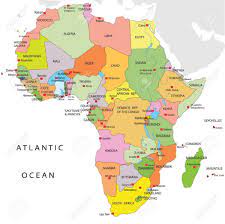
«Quando tocchi le stelle, ricorda che qualcuno sotto di te muore di fame», recita un proverbio africano. Nel 2025 l’Africa vive una delle peggiori crisi umanitarie degli ultimi decenni: guerre civili, economie in collasso, cambiamenti climatici, tagli agli aiuti internazionali. È sufficiente seguire idealmente la linea che attraversa il continente da ovest a est, dal Sahel al Corno d’Africa, per comprendere la vastità del dramma. Ogni tappa di quella linea è una storia di sopravvivenza: acqua cercata per giorni, cibo che non basta, case abbandonate nella notte, un domani incerto come l’orizzonte dopo una tempesta di sabbia. La fame non è statistiche: è il volto di milioni di persone sospese tra attesa e sopravvivenza. Una tragedia che calpesta i principi sanciti dalla Dichiarazione Universale dei Diritti Umani. L’articolo 25 garantisce a ogni persona cibo, acqua, una vita dignitosa.
Eppure nei villaggi del Mali famiglie intere trascorrono giornate intere cercando acqua potabile, mentre in Niger i raccolti distrutti dalla siccità hanno rubato mesi di sostentamento. Lo stesso accade all’infanzia africana: la Convenzione sui Diritti dell’Infanzia del 1989 ribadisce il diritto a crescere nutriti, in salute, con acqua sicura. Ogni bambino che cammina chilometri per bere nei campi profughi del Sudan testimonia una violazione viva, concreta, intollerabile. A complicare tutto, la crisi climatica: raccolti perduti in Burkina Faso, desertificazione nel Sahel, fiumi prosciugati nel Corno d’Africa. Accordi e impegni internazionali, dall’UNFCCC agli Obiettivi di Sviluppo Sostenibile, vacillano mentre la realtà impone urgenza. Ogni ritardo è un fallimento politico, ma soprattutto umano. E poi ci sono i conflitti taciuti. In Sudan orientale, nel Mali centrale, nel Niger settentrionale, nel Burkina Faso occidentale il suono delle armi accompagna la vita.
Le famiglie fuggono e fuggono ancora, come se la fuga fosse la loro unica casa. Le Convenzioni di Ginevra impongono protezione ai civili e assistenza alle popolazioni vulnerabili, ma spesso restano parole abbandonate sulla carta. Quando la fame diventa arma di guerra, come accade nei villaggi isolati del Darfur, si sfiora ciò che lo Statuto di Roma della Corte Penale Internazionale definisce crimine contro l’umanità: l’uso intenzionale della privazione di cibo contro i civili. Dentro questa cornice, la sofferenza non è un concetto astratto: è immediata. È il bambino che non trova acqua potabile in un campo profughi del Tigray. È la madre che spezza il pane in porzioni sempre più piccole nel Sahel. È l’agricoltore del Niger che osserva la terra farsi sterile.
È una generazione che vede il proprio futuro dissolversi. Albert Camus scriveva che “l’indifferenza è una delle forme più sottili della crudeltà”. Oggi, davanti a un’Africa che urla, il mondo rischia di rispondere proprio con quella crudeltà silenziosa. Ma non è troppo tardi: riconoscere questa tragedia significa riconoscere una ferita globale, un banco di prova per la nostra umanità. Ed è qui che la tragedia del continente incontra quella personale, quotidiana, di chi l’Africa l’ha vista negli occhi. Per il Magistrato Colangelo, padre adottivo di un ragazzo del Burkina Faso, quell’urlo lo porta nel cuore ogni giorno, ogni minuto, ogni volta che vede le immagini dei bambini denutriti. Quando con sua moglie sono andati in Africa nel 2012, e solo pochi mesi dopo ha rischiato di morire per una patologia rarissima, avevano un terrore misto a gioia: la paura di non essere all’altezza del dono immenso che il Signore gli aveva posto nelle mani.
Lì, in un piccolo ambulatorio, il loro bambino era seduto sul lettino: pesava pochissimi chilogrammi, pur avendo quasi otto anni. Aveva occhi lucidi e impauriti, come i nostri, ma anche una scintilla di fiducia, la speranza di poter ricucire un giorno la ferita dell’abbandono. Vedere quella povertà estrema, quei bambini che non avevano nulla, nemmeno da mangiare, e che tuttavia sorridevano con una purezza capace di spezzarti il petto, è una visione che non si dimentica. Avrebbero voluto portarli via tutti. Quei bambini anche oggi ti circondano con carezze leggere, donando una lezione d’amore più grande di qualunque parola. Lasciare l’orfanotrofio fu un dolore bruciante: nei loro volti rimanevano speranza, dolcezza, dignità in un mondo che sembrava averle negate.
Crescere loro figlio è stato ed è come custodire un piccolo uccellino fragile: sensibilità purissima, amore che disarma, emozioni che ti travolgono. E capisci che la forza dell’amore abbatte ogni ostacolo. Qui, in Occidente, spesso ci lamentiamo per cose futili: un disagio passeggero, un comfort mancante. Ma se anche una sola di queste persone trascorresse un giorno in quell’Africa che urla, cambierebbe prospettiva. Imparerebbe che l’azione, concreta, personale, economica, umana, è l’unica risposta possibile. Noi abbiamo scelto l’adozione e il sostegno agli orfanotrofi. È una goccia nello stagno, sì, ma ogni goccia genera un’onda.
L’Occidente deve capire che la vita è una sola e che non possiamo restare inerti davanti a un continente che sprofonda nella miseria. La voce del Magistrato e della dottoressa è unanime: quei bambini, nati in Paesi dove la vita vale meno solo perché mancano ricchezza e benessere, hanno diritto a una vita reale, vera, “senza se e senza ma”. Nel silenzio del dolore africano deve risuonare l’orgoglio della nostra umanità: il rispetto della vita altrui nella sua forma più alta. Salvare l’Africa non è un atto di generosità: è un dovere morale, culturale, spirituale. Se ognuno facesse la propria parte, abbandonando egoismi e lamentele, il mondo sarebbe diverso. Ci sarebbe meno violenza, più dignità, più futuro. Perché l’Africa non è solo un immenso continente. È un mondo vivo, pulsante, un arcobaleno di colori e trasformazioni. È il giudice silenzioso che osserva l’inerzia dell’Occidente. È nostra madre e il nostro padre spirituale. È la nostra anima. E ovunque viviamo, ovunque saremo, l’Africa resterà sempre lo specchio più sincero della nostra coscienza.
AFRICA: THE CONTINENT THAT SCREAMS AND THE WORLD THAT DOES NOT LISTEN
by Cristina Di Silvio and Maurizio Colangelo
Africa suspended between hunger, famine, and forgotten wars
Abstract
In 2025, Africa is screaming amid hunger, wars, and drought while the world seems to look away. Behind every statistic, there is a child walking miles for a sip of water, a mother reducing her children’s meals, a family forced to flee. This text recounts the continent’s real tragedy: global indifference is a luxury we can no longer afford.
——
“When you touch the stars, remember that someone beneath you is dying of hunger,” says an African proverb. In 2025, Africa faces one of the worst humanitarian crises of recent decades: civil wars, collapsing economies, climate change, cuts to international aid. It is enough to trace, even just in one’s mind, the line stretching across the continent from west to east, from the Sahel to the Horn of Africa, to grasp the magnitude of the drama. Each point along that line tells a story of survival: days spent searching for water, food that is never enough, homes abandoned in the night, a tomorrow as uncertain as the horizon after a sandstorm. Hunger is not a set of statistics: it is the face of millions suspended between waiting and survival. A tragedy that tramples the principles enshrined in the Universal Declaration of Human Rights. Article 25 guarantees every person the right to food, water, and a dignified life. Yet in villages across Mali, families spend entire days hunting for drinkable water, while in Niger crops destroyed by drought have erased months of sustenance. The same applies to African children: the 1989 Convention on the Rights of the Child affirms the right to proper nutrition, health, and access to safe water. Every child who walks miles to drink in Sudan’s refugee camps is living proof of a concrete, intolerable violation. Compounding everything is the climate crisis: ruined harvests in Burkina Faso, desertification in the Sahel, dried-up rivers in the Horn of Africa. International agreements and commitments, from the UNFCCC to the Sustainable Development Goals, tremble while reality demands urgency. Every delay is a political failure, but above all, a human one. And then there are the silent conflicts. In eastern Sudan, central Mali, northern Niger, and western Burkina Faso, the sound of weapons has accompanied daily life for years. Families flee and flee again, as though flight were their only home. The Geneva Conventions mandate the protection of civilians and assistance to vulnerable populations, yet they often remain empty words on paper. When hunger becomes a weapon of war, as in isolated villages in Darfur, the situation verges on what the Rome Statute of the International Criminal Court defines as a crime against humanity: the intentional use of starvation against civilians. Within this reality, suffering is not an abstract concept: it is immediate. It is the child who finds no drinking water in a Tigray refugee camp. It is the mother who breaks bread into ever smaller pieces in the Sahel. It is the farmer in Niger who watches his land turn barren. It is an entire generation watching its future dissolve. Albert Camus wrote that “indifference is one of the subtlest forms of cruelty.” Today, faced with a screaming Africa, the world risks responding with precisely that silent cruelty. But it is not too late: recognizing this tragedy means acknowledging a global wound, a test of our human conscience. And it is here that the continent’s tragedy meets the personal, everyday tragedy of those who have looked Africa in the eyes. For Magistrate Colangelo, adoptive father of a boy from Burkina Faso, that scream lives in his heart every day, every minute, every time he sees images of malnourished children. When he and his wife traveled to Africa in 2012, and only a few months later he nearly died from an extremely rare illness, they felt a terror mixed with joy: the fear of not being worthy of the immense gift that God had placed in their hands. There, in a small clinic, their child sat on a narrow bed: he weighed only a few kilograms despite being nearly eight years old. His eyes were bright and frightened, like theirs, yet they also held a spark of trust, the hope that one day the wound of abandonment could be healed. Witnessing such extreme poverty, those children who had nothing, not even something to eat, and yet smiled with a purity capable of breaking your chest wide open, is a sight that never leaves you. They wished they could bring them all home. Even today, those children surround you with gentle touches, offering a lesson in love greater than any word. Leaving the orphanage was a searing pain: in their faces remained hope, sweetness, dignity in a world that seemed to have denied them. Raising their son has been, and always will be, like caring for a fragile little bird: pure sensitivity, disarming love, emotions that overwhelm you. And in that journey, you understand that the power of love overcomes any obstacle. Here in the West, we often complain about trivialities: a minor inconvenience, a missing comfort. But if even one of these people spent a single day in that Africa that screams for help, their perspective would change. They would learn that action, concrete, personal, economic, human, is the only possible response. The authors chose adoption and support for orphanages. A drop in the water, yes, but every drop creates a ripple. The West must understand that life is one and that we cannot stand idle while a continent sinks into misery. The voices of the Magistrate and the doctor are united: those children, born in countries where life is worth less simply because wealth and well-being are lacking, have the right to a real, true life “no ifs and no buts.” In the silence of Africa’s suffering, our humanity must resound: respect for human life in its highest form. Saving Africa is not an act of generosity: it is a moral, cultural, spiritual duty. If each of us did our part, abandoning selfishness and constant complaints, the world would be different. There would be less violence, more dignity, more future. Because Africa is not just a vast continent. It is a living, pulsating world, an arc of colors and transformations. It is the silent judge observing the inertia of the West. It is our cultural and spiritual mother and father. It is our soul. And wherever we live, wherever we go, Africa will always remain the truest mirror of our conscience.