

UNIFIL, ISRAEL THE KURDS AND THE ONU HYPOCRISY
In questi ultimi giorni la stampa nazionale ed estera, —con il fattivo supporto mediatico di quell’ONU che sembra essere l’ultimo soggetto instituzionale in grado di rivendicare una adamantina autorevolezza super partes dopo tutto quanto ha caratterizzato l’alquanto incresciosa vicenda che ha avuto per oggetto il coinvolgimento di diversi appartenenti all’UNRWA perfino nei fatti del 7 Ottobre 2023—, sembrano aver preso molto a cuore il destino della missione UNIFIL così come un certo ‘Pacifismo’ di maniera.
Quel pacifismo che da tempo fa sentire la propria voce con tanto di coreografie pro Hamas e pro chiunque punti il dito contro Israele, ma che si è guardato bene, come l’ONU del resto, dal far sentire la propria voce a favore dei Curdi, degli Ucraini del Donbass dal 2014 in poi, degli Ucraini reclutati forzatamente per strada dai reclutatori del Presidente Zelensky che operano esattamente come operavano secoli fa in Inghilterra i reclutatori incaricati di formare gli equipaggi della Marina da Guerra di Sua Maestà Britannica, degli Afgani che hanno combattuto i Talebani fianco a fianco con i militari Occidentali per poi essere lasciati a sé stessi nel momento in cui si è ritenuto più opportuno abbandonare il campo, dei militari anche italiani oltre che americani esposti come fossero carne da macello agli effetti delle polveri radioattive rilasciate dalle esplosioni dei proiettili all’uranio impoverito nei Balcani come nella Guerra del Golfo, delle vittime dei bombardamenti a tappeto sulla Serbia che gli Stati Uniti ed i loro alleati hanno effettuato per decine e decine di giorni senza alcun mandato ONU , degli Uiguri in Cina etc etc etc.: ché la lista è lunga, la memoria molto corta ed i pifferai magici oltremodo ‘distratti’ alla bisogna…
A leggere certe pagine di giornale, a leggere certe scritte tracciate con mano ferma su certi striscioni mi viene spontaneo domandarmi quanti di quelli che ora in piazza così come nelle stanze della politica politicante si indignano si sono preventivamente documentati leggendo il testo della Risoluzione 1701 del Consiglio di Sicurezza datata 11 Agosto 2006 per almeno domandarsi cosa abbia fatto l’UNIFIL in questi 18 anni di missione in Libano per giustificare la spesa di ben 150 Mln di EUR l’anno per un totale di, ad oggi, 2,7 Mld di EUR: perché prima di puntare il dito, cosa legittima in democrazia, vi è pure il dovere di informarsi veramente e non su Facebook o TikTok.
Tanto in forza di quell’antisemitismo (ché a mio avviso la critica politica è ben altra cosa) che, sinceramente, pensavo, sbagliandomi, fosse oramai morto e sepolto dopo tante fasulle celebrazioni del “Giorno della Mamoria” che a più riprese hanno visto nel corso degli anni la consueta, stucchevole presenza partecipativa di un certo sottoproletariato culturale, più ancora che di censo, alla cui leadership politica di riferimento tanto dobbiamo per l’ampia diffusione di quell’analfabetismo funzionale nostrano che ad ogni piè sospinto fa bella mostra di sé allorché (ma per la verità il fenomeno è trasversale a tutti gli ambiti politico-sociali di questa tragicomica politico–economica–culturale Weimar Occidentale) il pifferaio magico di turno chiama a raccolta i suoi topi per calcare la consueta passerella del varietà politico nostrano in senso lato.
Quanto affermo fa riferimento al più volte registrato agire improntato al più cinico doppiopesismo di quell’ONU la cui autorevolezza e credibilità poggiano, oramai, solo su una consolidata retorica propagandistica che nulla ha a che vedere con i fatti correnti.
La riprova ce la fornisce il raffronto tra le diverse posizioni assunte dall’ONU per tutto quanto concerne il contenzioso dei Curdi con la Turchia a fronte di quanto avvenuto il 12 Gennaio di quest’anno allorché la Corte Internazionale dell’Aia si è riunita per valutare l’accusa —avanzata dal Sudafrica— di genocidio nei confronti di Israele.
Un’accusa tutt’altro che facile da sostenere in quanto, repetita iuvant, per la configurazione del crimine in questione non è sufficiente trovarsi in presenza di un elevato numero di vittime civili, ma occorre anche riuscire a dimostrare la sussistenza di un elemento soggettivo che consiste nella volontà di “distruggere, in tutto o in parte, un determinato gruppo di persone che si identificano per la propria nazionalità, etnia, razza o religione”: che a ben guardare è ciò che è alla base di quanto dichiaratamente perseguito da organizzazioni come Hamas ed Hezbollah
Per somma, se andiamo a vedere quali Paesi fossero rappresentati nel Collegio demandato a pronunciarsi sulla questione, non possiamo non rilevare la consistente partecipazione di Stati della cui sensibilità, in merito al rispetto dei diritti umani, è quantomeno lecito dubitare visto che vi possiamo trovare la Cina, la Russia, la Somalia, l’Uganda nonché, dulcis in fundo, persino il Libano.
D’altra parte, viene pur sempre da dire che stiamo parlando di un Tribunale che è espressione di quell’ONU che non tradisce il benché minimo cenno di imbarazzo o di vergogna nell’attribuire all’Iran la presidenza del Consiglio per i Diritti Umani, che ha sede a Ginevra…, così come non mostra alcun segno di vergogna allorché stende un velo di omertà su tutto quanto sta accadendo ed è accaduto ai Curdi della cui sorte pare che al Palazzo di Vetro nessuno abbia inteso di occuparsi quantunque si tratti di un popolo che, come quello palestinese, da decenni lotta per avere una patria.
E la cosa stupisce tanto di più nel momento stesso in cui la mente va a quando il loro sacrificio tornò utile, ovverosia a quando per un paio di anni, in Siria, si trattò di andare a stanare, casa per casa, i miliziani dell’ISIS conducendo una lotta che valse loro a più riprese gli onori delle prime pagine di tutti i giornali del mondo che ne esaltarono l’eroismo e lo spirito di sacrificio… salvo poi, a missione compiuta, liquidarli lasciandoli alla mercé dell’aviazione di Erdogan in quanto, forse, perché trattasi di un popolo di serie B rispetto a quello palestinese che pare avere fin troppi santi interessati in paradiso
Tornando al Libano vi è da dire che, con riferimento al suo inserimento nel Collegio di cui sopra, l’inopportunità di questa strana presenza discende in primo luogo dal suo ancora oggi essere sede di un Parlamento nel quale trovano posto in ampia misura appartenenti al Partito Hezbollah ed ai suoi alleati, nonostante la significativa, ancorché infruttuosa, debacle elettorale del 2022 che prometteva di tradursi in un reale cambiamento di rotta con le elezioni presidenziali dell’autunno dello stesso anno.
A tale proposito vale la pena ricordare con Hanin Ghaddarda ( Friedmann Senior Fellow presso il Rubin Family Arab Politics Program del Washington Institute, dove si occupa di politica sciita nel Levante), che il 16 Maggio 2022 sul sito del The Washington Institute ha pubblicato a riguardo un interessante articolo intitolato “What Hezbollah’s Parliamentary Loss Means for Lebanon”, di come nonostante il 15 Maggio 2022 Hezbollah avesse subito una grave sconfitta nelle elezioni parlamentari libanesi, perdendo non solo il controllo della maggioranza della legislatura, ma anche tutti i suoi alleati non sciiti-musulmani grazie al fatto che, nonostante la bassa affluenza alle urne, le minacce di violenza, le difficoltà finanziarie e la crescente disperazione nazionale, la popolazione aveva in qualche modo votato per il cambiamento, scegliendo le riforme al posto di Hezbollah e del suo arsenale militare in continua crescita; alla fine tutto si è tradotto in un nulla di fatto visto che di elezioni presidenziali e di nuovo Governo ancora non si parla e verosimilmente non si parlerà per molto tempo con tutto ciò che questo implica.
Ed infatti il nodo sulla presidenza della Repubblica libanese rappresenta una questione che ha implicazioni a cascata su tutto l’apparato burocratico-statale del Paese dei Cedri, accompagnandosi a un pacchetto di nomine che sono state finora osteggiate in quanto nel senso del mantra “il Libano ai Libanesi!”.
Ora se nel lontano 2022 vi era chi valutava poco significativo il fatto che, nonostante l’esito delle elezioni del Maggio 2022, i principali partiti politici fossero riusciti a mantenere blocchi parlamentari consistenti in quanto, ad uno sguardo più attento ai dettagli, sembrava che all’orizzonte si stesse profilando tutta una serie di significativi cambiamenti potenzialmente forieri di un diverso scenario politico, a cominciare dalla perdita da parte di Hezbollah di quella copertura cristiana che gli ha a lungo permesso di manipolare varie leve del potere e di infrangere la Costituzione, comprese le armi che lo rendono la forza militare più potente del Paese, alla fine tutto si è tradotto in un nulla di fatto.
(Detto per inciso alle penultime elezioni legislative, quelle del 2018, il partito Hezbollah aveva fatto squadra con la coalizione filosiriana “8 marzo” insieme con gli Sciiti del Movimento Amal e i Cristiani Maroniti del Movimento Patriottico Libero cui vanno aggiunti i Drusi del Partito Democratico Libanese, i Cristiani Maroniti del Movimento Marada, i Sunniti dello Harakat Majd, gli Armeni della Federazione Rivoluzionaria Armena, i nazionalisti del Partito Nazionalista Sociale Siriano, i Socialisti del Partito Ba’th Socialista Arabo in Libano, i nazionalisti del Partito della solidarietà, i Melchiti del Blocco, ed ancora i membri dell’Organizzazione Nasseriana Popolare come pure del Partito Democratico Arabo)
Così, nonostante le vaste aspettative, quello che si deve registrare è che, sullo sfondo degli scontri nelle aree di confine con Israele, la questione legata all’elezione del nuovo Presidente della Repubblica si sta sempre più complicando a tutto vantaggio di Hezbollah in quanto la perdurante mancata elezione del nuovo inquilino di Baabda non solo sta impedendo la nomina di un nuovo Governo – in sostituzione di quello dimissionario dalla primavera del 2022 – e quella di numerosi funzionari, tra cui il Presidente della Banca Centrale, il Capo dei Servizi di Intelligence e il Capo di Stato Maggiore dell’Esercito, ma anche il perpetuarsi di quel vuoto di potere permette ad Hezbollah di continuare a gestire il Paese grazie ad una sorta di vero e proprio Colpo di Stato, ancorché surrettizio.
Se a questo aggiungiamo che ad oggi non ci sono neppure dichiarazioni unanimi e incontrovertibili che definiscono Hezbollah come organizzazione terroristica e che nella fattispecie a non considerarlo tale troviamo in primo luogo l’Unione Europea (quantunque il suo Parlamento abbia adottato il 10 marzo 2005 una risoluzione, non vincolante, che di fatto accusa Hezbollah di aver condotto attività terroristiche e che il 22 luglio 2013 i Ministri degli Esteri dell’EU abbiano espresso l’orientamento secondo il quale il braccio armato del movimento sarebbe da inserire nella lista nera dei terroristi, anche se nel contempo viene considerato ancora auspicabile non solo intensificare ma pure accrescere il dialogo con l’ala politica del partito), ecco che la presenza del Libano nel summenzionato Collegio nominato dalla Corte Internazionale dell’Aia finisce per risultare a dir poco ridicola.
Per somma, date le attuali circostanze, non è dato, poi, sapere quale credito sia, effettivamente ascrivibile all’ONU ed ai principali Paesi della EU, compresi la Francia, l’Italia, la Germania e la Spagna se questi, pur esprimendo riserve e critiche nei confronti di Hezbollah, oltre a non considerarlo un’organizzazione terroristica (con l’unica eccezione di Stati Uniti, Paesi Bassi, Canada ed Israele), a più riprese, già nell’estate del 2006, hanno espresso, per bocca di propri Ministri ed alti funzionari, il pubblico riconoscimento di Hezbollah quale interlocutore politicamente legittimo, nonché accreditato membro della coalizione che sostiene il Governo libanese, incontrandone i ministri al pari di quelli affiliati ad altre forze politiche: il tutto nascondendosi dietro la foglia di fico della Risoluzione del Consiglio di Sicurezza dell’ONU n° 1559 con la quale è stato sì chiesto lo smantellamento dell’ala militare di Hezbollah, ma senza specificare le modalità con cui giungere conseguire tale obiettivo.
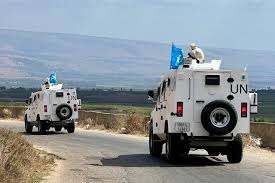
Merita sottolineare a questo punto, con riferimento al tema qui affrontato, che questo è il gravoso contesto nel quale, alla fine di Agosto di quest’anno, ha avuto luogo il rinnovo del mandato di UNIFIL, ossia della forza di interposizione ONU stanziata nel sud del Libano dal 1978 (dal 2006 nella sua composizione attuale), a cui l’Italia contribuisce con una presenza di più di mille militari ed il cui compito, oltremodo gravoso, qualora realmente perseguito, sarebbe dovuto essere quello di fare sì che l’esercito libanese diventasse l’unica forza armata a sud del fiume Litani.
A ben guardare un obiettivo di fatto disatteso per ben 46 anni in quanto non di difficile, bensì a tal segno di palesemente impossibile realizzazione da indurre legittimamente chiunque a domandarsi per quale reale surrettizio motivo questa missione continui ad essere definita “un fattore di stabilità in un contesto sempre più precario” ed in che modo rappresenterebbe pure un importante canale di dialogo tra Israele e il Libano, e di conseguenza tra Israele e Hezbollah, come qualche osservatore ha ritenuto di evidenziare sottolineando quanto avvenuto durante i negoziati per la delimitazione dei confini marittimi Israelo–libanesi conclusi nell’ottobre del 2022: peccato che quell’accordo abbia visto altri, nello specifico gli USA, operare nel senso ascritto all’UNIFIL.
Per somma gli eventi di questi giorni hanno solo evidenziato come questo canale non rappresenti certamente una garanzia di pace, ma un inutile stazionamento di uomini e mezzi che lascia il tempo che trova, se non peggio, sicché quello che in questo contesto colpisce oltremodo non sono le manifestazioni e le critiche, bensì l’ignoranza dei fatti oggettivi che a queste critiche e manifestazioni fa da sfondo e supporto
Il vero problema è rappresentato dal fatto che la missione UNIFIL è da un pezzo che ha perso ogni sua ragion d’essere e di fatto ha solo garantito la sicurezza di Hezbollah come forza d’occupazione in un Paese ex-sovrano a causa dell’OLP di un fin troppo a torto celebrato Yasser Arafat.
Protestare ora serve a poco soprattutto perché Hezbollah è il braccio armato di Teheran, o meglio lo era visto che, a quanto pare non sembra proprio che l’attuale leadership iraniana sia disposta a farsi realmente carico della sua sopravvivenza.
Quelli che qui propongo a corollario di questa disamina sono due pezzi piuttosto interessanti che suggerisco di leggere attentamente proponendoli integralmente in primo luogo a tutti coloro che si stanno tanto agitando in questi giorni nelle varie piazze, anche italiane, pensando di avere la verità in tasca
I titoli:
- “ IDF SPARA CONTRO UNIFIL? LA COLPA È SOLO DI UNA PARTE?”
- “Condanna all’attacco alle basi UNIFIL italiane in Libano: una minaccia alla stabilità regionale”
Purtroppo, come sempre in questi casi, la realtà dei fatti è un po’ diversa da come appare ai più e di come fin troppi si ostinano a volerli leggere per tutta una serie di pregiudiziali ideologiche degne, sinceramente, di miglior causa.
Per somma vorrei far notare che la missione ONU venne istituita in primo luogo anche per proteggere i civili palestinesi dagli attacchi dei Falangisti libanesi dopo la cacciata dei miliziani dell’OLP e di Arafat che, accolti come profughi, si diedero a tutta una serie di comportamenti a mezza via tra quelli di una forza militare di occupazione e quelli di una vera e propria organizzazione criminale restia ad accettare qualsiasi regola e norma di legge.
In questo senso non mi sembra che tra i compiti dell’UNIFIL rientri il dare copertura passiva (prestandosi a fare da involontario scudo ‘umano’)alle installazioni Hezbollah limitrofe al perimetro della base al centro della polemica, tenuto oltretutto conto del fatto che l’IDF non sta attaccando dei campi profughi ma solo rispondendo agli attacchi di Hezbollah.
Ora delle due l’una:
- UNIFIL neutralizza le installazioni Hezbollah di cui sopra (soluzione impraticabile a causa del fatto che questa sarebbe una violazione della sua neutralità quantunque in linea con il dettato della Risoluzione 1701 del Consiglio di Sicurezza datata 11 Agosto 2006
- UNIFIL arretra dei 5 km richiesti dall’IDF ripristinando la sua neutralità in toto
Purtroppo non vi è alcuna alternativa per la troppa indolenza con la quale il tutto è stato trattato ed ora gli eventi causati da quanto sin qui disatteso presenta il conto, cosicché a poco serve che i politici di turno chiedano ora che l’UNIFIL attui la Risoluzione 1701 in quanto siamo abbondantemente fuori tempo massimo: i miracoli in questioni di tal genere non esistono e lo si può capire scorrendo il testo della risoluzione stessa che:
al par.8 richiedeva:
- la costituzione di un’area tra il fiume Litani e la Blue line (il confine tra Israele e Libano) dove le uniche formazioni armate fossero UNIFIL e le FA regolari libanesi. Ciò prevedeva pertanto il ritiro sia degli israeliani (avvenuto tempestivamente in coordinamento con lo schieramento di UNIFIL II s) sia degli Hezbollah (di fatto mai avvenuto).
- che non vi fossero forze militari in tutto il Libano senza autorizzazione del governo di Beirut. Ovviamente ciò non è mai avvenuto e in Libano continuano ad operare (sia pure con il tacito consenso del potente partito sciita) formazioni che prendono ordini da Teheran e da Damasco.
ed al paragrafo 11:
- che una UNIFIL “rinforzata” rispetto al periodo 1978-2006 dovesse vigilare sull’attuazione di quanto sancito dalla Risoluzione e, soprattutto, al paragrafo 123 autorizza UNIFIL ad adottare tutte le azioni necessarie e entro le proprie capacità per impedire che l’area tra il fiume Litani e la Blue Line venga utilizzata per attività ostili.
Per somma vi è da considerare che, a differenza dell’IDF, tanto Hezbollah che diverse altre formazioni militari attive nella ragione non rispondono, come del resto non hanno mai risposto minimamente, al Governo centrale agendo con la consueta arroganza di cui nessuno ama in questi giorni parlare e che ha legittimamente indotto Israele ad attivarsi per porre definitivamente termine a ciò che da lustri e lustri la comunità internazionale non si è minimamente peritata di affrontare una volta per tutte.
Per somma in tutti questi anni di inutile permanenza dell’UNIFIL in Libano Hezbollah ha incrementato le proprie capacità militari anche nel Sud Libano dove sono presenti enormi quantitativi di missili balistici a corto e medio raggio nonché razzi di vario tipo e gittata che stanno facendo bella mostra di sé pressoché quotidianamente da mesi.
Se già all’inizio della missione UNIFIL le condizioni operative presentavano problematiche non indifferenti, allo stato attuale l’ONU non ha la benché minima capacità di mettere in campo e gestire una forza militare in gradi di far implementare una risoluzione così ambiziosa.
Né si può aspettare che nell’attuale contesto geopolitico, il Consiglio di Sicurezza dell’ONU possa far convergere su una nuova e più decisa posizione in merito al ruolo di UNIFIL gli USA (in evidente crisi di leadership, con Biden azzoppato, la Harris in campagna elettorale con paura di perdere supporto da parte dell’elettorato filo arabo o quello filo israeliano e l’incubo Trump incombente), la Russia (che nella regione è legata a filo doppio a Teheran e a Damasco e che, pertanto, non accetterebbe alcunché che dispiaccia agli Hezbollah), la Cina (che dal fallimento dell’ONU avrebbe tutti i vantaggi per incrementare la propria figura di nuovo negoziatore per il Medio Oriente, come già dimostrato con gli accordi tra Iran e Arabia Saudita) e la Francia (la cui politica estera è oggi più che mai ostaggio della propria declinante influenza nelle ex colonie islamiche): tutti aspetti che fanno sì che il desiderio di beneficiare di un’area pacificata, desiderio condiviso da tutti gli attori citati così come pure dall’Arabia Saudita e dagli Emirati Arabi Uniti, nonché dalla stessa Teheran in qualità di membro dei BRICS, faccia alla fin fine guardare all’azione dell’IDF con occhio ben più grato e benevolo di quanto ufficialmente lascino trapelare e le piazze populiste vedano e comprendano.
Ed ora che il dado è tratto la domanda è: cosa faranno ora i “Caschi Blue”? Si atterranno a quanto previsto dagli articoli 11 e 12 della più volte citata Risoluzione 1701 e bloccheranno con i loro corpi l’avanzata dei Merkava?
Per rispondere a questa domanda basta semplicemente leggere il testo dei due articoli per rendersi conto di come andrà a finire:
Tanto affermo perché se vogliamo stigmatizzare la presa di posizione di Netanyahu prima dovremmo leggere quanto segue, non fosse altro che per alzare qualche striscione in più:
“Mentre la tensione si allarga a macchia d’olio nella regione del Levante dopo il conflitto tra Hamas e Israele ai confini della Striscia di Gaza, Hezbollah, il “partito di Dio” sciita in Libano, sembra voler approfittare di questo momento di difficoltà di Tel Aviv per colpire le forze israeliane nel nord del Paese.
Tra Libano e Israele, però, c’è una forza di interposizione delle Nazioni Unite (Unifil – United Nations Interim Force in Lebanon) che vede la presenza di uomini e mezzi delle forze armate italiane: dal 1° novembre 2006, infatti, il nostro Paese contribuisce con uomini e mezzi al mantenimento del cessate il fuoco tra le parti.
Attualmente, la missione vede l’impiego complessivo di 1169 soldati (livello massimo), 388 mezzi terrestri, un’unità navale e sette aerei per una spesa complessiva annua di quasi 150 milioni di euro. Inoltre, l’Italia ha una propria missione dedicata all’addestramento delle forze di sicurezza libanesi a contratto bilaterale (Mibil) che conta 190 soldati (livello massimo) e si avvale di un’unità navale e di un velivolo per un costo annuo di quasi 12 milioni di euro” (da “Il Giornale” del 16 Ottobre 2023 “Unifil, chi sono e cosa fanno i soldati italiani schierati in Libano”)
—————————————————————
UNIFIL, ISRAEL THE KURDS AND THE ONU HYPOCRISY
In recent days the domestic and foreign press, -with the active media support of that UN which seems to be the last institutional entity capable of claiming adamantine super partes authority after all that has characterized the rather unfortunate affair involving several UNRWA members even in the events of October 7, 2023-, seem to have taken the fate of the UNIFIL mission very much to heart as well as a certain manner ‘Pacifism’.
That pacifism which has long been making its voice heard with much choreographed pro-Hamas and pro anyone who points a finger at Israel, but which has been careful, as has the UN for that matter, not to make its voice heard in favor of the Kurds, of the Ukrainians in the Donbass from 2014 onwards, of the Ukrainians forcibly recruited on the streets by President Zelensky’s recruiters who operate exactly as the recruiters in charge of training the crews of Her Britannic Majesty’s Navy of War operated centuries ago in England, of the Afghans who fought the Taliban side by side with the Western military only to be left to their own devices the moment it was deemed more appropriate to abandon the field, of the military personnel including Italian as well as American ones exposed as if they were cannon fodder to the effects of the radioactive dust released by the explosions of depleted uranium shells in the Balkans as in the Gulf War, of the victims of the carpet bombing of Serbia that the United States and its allies carried out for dozens and dozens of days without any UN mandate , of the Uighurs in China etc etc etc.: for the list is long, the memory very short and the magic pied pipers exceedingly ‘distracted’ as needed….
To read certain pages of newspapers, to read certain inscriptions drawn with a steady hand on certain banners makes me wonder how many of those who now in the streets as well as in the rooms of the political arena are indignant have previously documented themselves by reading the text of Security Council Resolution 1701 dated August 11, 2006 to at least ask themselves what UNIFIL has done in these 18 years of mission in Lebanon to justify the expenditure of no less than 150 Mln EUR per year for a total of, to date, 2.7 Mln EUR: because before pointing fingers, which is legitimate in a democracy, there is also a duty to really inform oneself and not on Facebook or TikTok.
So much on the strength of that anti-Semitism (for in my opinion political criticism is quite another thing) which, sincerely, I thought, mistakenly, was now dead and buried after so many bogus “Mamoria Day” celebrations that on several occasions over the years have seen the usual, cloying participatory presence of a certain cultural underclass, even more than of census, to whose political leadership of reference we owe so much for the widespread diffusion of that nostrano functional illiteracy that at every turn makes a fine show of itself when (but to tell the truth, the phenomenon is transversal to all political-social spheres of this tragicomic political-economic-cultural Western Weimar) the Pied Piper of turn summons his rats to tread the usual catwalk of the nostrano political variety in the broadest sense.
What I am saying refers to the oft-recorded action marked by the most cynical double standards of that UN whose authority and credibility rest, by now, only on an established propaganda rhetoric that has nothing to do with current facts.
The proof is provided by a comparison of the different positions taken by the UN with regard to the Kurds’ dispute with Turkey in the face of what happened on January 12 of this year when the International Court in The Hague met to evaluate the accusation -advanced by South Africa- of genocide against Israel.
A charge that is far from easy to sustain since, repetita iuvant, for the configuration of the crime in question, it is not enough to be in the presence of a large number of civilian victims, but it is also necessary to be able to prove the existence of a subjective element that consists in the will to “destroy, in whole or in part, a specific group of people who identify themselves by their nationality, ethnicity, race or religion”: which, on closer inspection, is what underlies what is avowedly pursued by organizations such as Hamas and Hezbollah
To add to this, if we go to see which countries were represented in the College asked to pronounce on the issue, we cannot fail to note the substantial participation of states whose sensitivity, with regard to respect for human rights, it is at least legitimate to doubt given that we can find China, Russia, Somalia, Uganda as well as, last but not least, even Lebanon.
On the other hand, it still comes to be said that we are talking about a Tribunal that is an expression of that UN that betrays not the slightest hint of embarrassment or shame in giving Iran the chairmanship of the Geneva-based Human Rights Council…, just as it shows no sign of shame when it spreads a veil of omertà over all that is happening and has happened to the Kurds whose fate no one at the Glass Palace seems to have intended to deal with even though they are a people who, like the Palestinians, have been struggling for decades to have a homeland.
And it is all the more astonishing at the very moment when the mind goes to when their sacrifice came in handy, that is, when for a couple of years, in Syria, it was a matter of going out, house to house, to flush out the ISIS militiamen conducting a fight that earned them on several occasions the honors of the front pages of all the world’s newspapers that extolled their heroism and spirit of sacrifice … except then, mission accomplished, liquidating them by leaving them at the mercy of Erdogan’s air force as, perhaps, because they are a second-class people compared to the Palestinian people who seem to have far too many interested saints in heaven
Returning to Lebanon it must be said that, with reference to its inclusion in the aforementioned College, the untimeliness of this strange presence derives first and foremost from its still being the seat of a Parliament in which members of the Hezbollah Party and its allies find their seats to a large extent, despite the significant, albeit unsuccessful, electoral debacle of 2022 that promised to translate into a real change of course with the presidential elections in the fall of that year.
In this regard, it is worth mentioning with Hanin Ghaddarda ( Friedmann Senior Fellow at the Washington Institute’s Rubin Family Arab Politics Program, where he works on Shiite politics in the Levant), who on May 16, 2022 on The Washington Institute’s website published an interesting article on the subject entitled “What Hezbollah’s Parliamentary Loss Means for Lebanon,” of how despite the fact that on May 15, 2022 Hezbollah had suffered a major defeat in Lebanon’s parliamentary elections, losing not only control of the majority of the legislature, but also all of its non-Shiite-Muslim allies thanks to the fact that despite low voter turnout, threats of violence, financial hardship, and growing national despair, the population had somehow voted for change, choosing reforms over Hezbollah and its ever-growing military arsenal; in the end it all came to nothing as presidential elections and a new government are still not being talked about and likely will not be talked about for a long time with all that this implies.
And in fact, the knot over the presidency of the Lebanese Republic represents an issue that has cascading implications on the entire bureaucratic-state apparatus of the Cedar country, accompanying a package of appointments that have so far been opposed as in the sense of the mantra “Lebanon to the Lebanese!”
Now if back in 2022 there were those who considered it insignificant that, despite the outcome of the May 2022 elections, the main political parties had managed to maintain substantial parliamentary blocs as, on a closer look at the details, a whole series of significant changes potentially harbingers of a different political scenario seemed to be on the horizon, beginning with Hezbollah’s loss of the Christian cover that has long allowed it to manipulate various levers of power and break the Constitution, including the weapons that make it the most powerful military force in the country, in the end it all came to nothing.
(Incidentally, in the penultimate legislative elections, those of 2018, the Hezbollah party had teamed up with the pro-Syrian “March 8” coalition along with the Shiites of the Amal Movement and the Maronite Christians of the Free Patriotic Movement to which must be added the Druze of the Lebanese Democratic Party, the Maronite Christians of the Marada Movement, the Sunnis of the Harakat Majd, the Armenians of the Armenian Revolutionary Federation, the nationalists of the Syrian Social Nationalist Party, the Socialists of the Arab Socialist Ba’th Party in Lebanon, the nationalists of the Solidarity Party, the Melkites of the Bloc, and again the members of the Popular Nasserian Organization as well as the Arab Democratic Party)
Thus, despite the broad expectations, what must be recorded is that, against the backdrop of the clashes in the border areas with Israel, the issue related to the election of the new President of the Republic is becoming increasingly complicated to Hezbollah’s advantage as the continuing failure to elect a new tenant in Baabda is not only preventing the appointment of a new government – replacing the one that resigned in the spring of 2022 – and that of numerous officials including the President of the Central Bank, the Chief of Intelligence, and the Chief of Army Staff, but also the perpetuation of that power vacuum is allowing Hezbollah to continue running the country through a kind of genuine, albeit surreptitious, Coup d’Etat.
If we add to this that to date there are not even unanimous and incontrovertible statements defining Hezbollah as a terrorist organization and that in this case to not consider it as such we find first of all the European Union (although its Parliament adopted on March 10, 2005 a resolution, non-binding, which in fact accuses Hezbollah of conducting terrorist activities and that on July 22, 2013 the EU Foreign Ministers expressed the orientation that the armed wing of the movement should be blacklisted as a terrorist organization, even though at the same time it is still considered desirable not only to intensify but also to increase the dialogue with the political wing of the party), here it is that Lebanon’s presence in the aforementioned College appointed by the International Court in The Hague ends up being ridiculous to say the least.
To sum up, given the current circumstances, it is not given, then, to know what credit is, indeed attributable to the UN and the main EU countries, including France, Italy, Germany and Spain if they, while expressing reservations and criticism of Hezbollah, as well as not considering it a terrorist organization (with the only exception of the US, Netherlands, Canada and Israel), on several occasions, as early as the summer of 2006, expressed, through the mouths of their own ministers and senior officials, public recognition of Hezbollah as a politically legitimate interlocutor and an accredited member of the coalition supporting the Lebanese government, meeting with its ministers on a par with those affiliated with other political forces: all the while hiding behind the fig leaf of UN Security Council Resolution No. 1559 by which the dismantling of Hezbollah’s military wing was called for, yes, but without specifying how to achieve this goal.
It deserves to emphasize at this point, with reference to the topic addressed here, that this is the onerous context in which, at the end of August this year, the renewal of the mandate of UNIFIL took place, i.e., the UN interposition force stationed in southern Lebanon since 1978 (since 2006 in its current composition), to which Italy contributes with a presence of more than a thousand military personnel and whose task, which is exceedingly onerous, should it have been really pursued, should have been to make the Lebanese army become the only armed force south of the Litani River.
On closer inspection, a goal that has in fact been disregarded for a good 46 years as being not difficult, but rather to such an extent patently impossible to achieve that it legitimately leads anyone to wonder why real surreptitious this mission continues to be called “a factor for stability in an increasingly precarious context” and in what way it would also represent an important channel for dialogue between Israel and Lebanon and consequently between Israel and Hezbollah, as some observers have seen fit to highlight by pointing out what happened during the negotiations for the demarcation of the Israeli-Lebanese maritime borders concluded in October 2022: Too bad that agreement saw others, specifically the US, operating in the direction ascribed to UNIFIL.
To sum up, the events of these days have only highlighted how this channel certainly does not represent a guarantee of peace, but an unnecessary stationing of men and means that leaves time to be found, if not worse, so that what is most striking in this context is not the demonstrations and criticisms, but rather the ignorance of the objective facts that these criticisms and demonstrations are backdropped and supported.
The real problem is the fact that the UNIFIL mission has long since lost all raison d’être and has in fact only provided security for Hezbollah as an occupying force in a former sovereign country because of the PLO of an all too wrongly celebrated Yasser Arafat.
Protesting now serves little purpose especially since Hezbollah is Tehran’s armed wing, or rather it was since, it seems, the current Iranian leadership is not really willing to really take charge of its survival.
What I am proposing here as a corollary to this examination are two rather interesting pieces that I suggest reading carefully, proposing them in their entirety in the first place to all those who are getting so worked up these days in the various public squares, including in Italy, thinking they have the truth in their pockets
Headlines:
- ” IDF FIRES AT UNIFIL? IS ONLY ONE SIDE TO BLAME?”
- “Condemnation of attack on Italian UNIFIL bases in Lebanon: a threat to regional stability”
Unfortunately, as always in these cases, the reality of the facts is somewhat different from how it appears to most and how all too many insist on reading them for a whole series of ideological biases worthy, frankly, of better cause.
To sum up, I would like to point out that the UN mission was established in the first place also to protect Palestinian civilians from attacks by Lebanese Phalangists after the ouster of PLO militiamen and Arafat’s militiamen who, welcomed as refugees, engaged in a whole series of behaviors halfway between those of a military force of occupation and those of a real criminal organization unwilling to accept any rules and norms of law.
In this sense, it does not seem to me that UNIFIL’s tasks include giving passive cover (lending itself to act as an unwilling ‘human’ shield)to Hezbollah installations bordering the perimeter of the base at the center of the controversy, taking into account, moreover, the fact that the IDF is not attacking refugee camps but only responding to Hezbollah attacks.
Now of the two one:
- UNIFIL neutralizes the aforementioned Hezbollah installations (an impractical solution due to the fact that this would be a violation of its neutrality albeit in line with the dictate of Security Council Resolution 1701 dated August 11, 2006
- UNIFIL retreats the 5 km requested by the IDF restoring its neutrality in full
Unfortunately, there is no alternative because of the too much indolence with which the whole thing has been handled and now the events caused by what has been disregarded so far presents the bill, so that there is little point in politicians on duty now demanding that UNIFIL implement Resolution 1701 as we are well past the maximum time limit: miracles in such matters do not exist and this can be understood by scrolling through the text of the resolution itself which:
in para. 8 called for:
- the establishment of an area between the Litani River and the Blue line (the border between Israel and Lebanon) where the only armed formations were UNIFIL and regular Lebanese FAs. This therefore provided for the withdrawal of both the Israelis (which occurred promptly in coordination with UNIFIL II s deployment) and Hezbollah (which in fact never occurred).
- that there be no military forces throughout Lebanon without authorization from the government in Beirut. This, of course, never happened, and formations taking orders from Tehran and Damascus continue to operate in Lebanon (albeit with the tacit consent of the powerful Shiite party).
and in paragraph 11:
- that a “reinforced” UNIFIL compared to the 1978-2006 period should oversee the implementation of what the Resolution states and, most importantly, in paragraph 123 authorizes UNIFIL to take all necessary actions and within its capabilities to prevent the area between the Litani River and the Blue Line from being used for hostile activities.
For sum there is to consider that, unlike the IDF, both Hezbollah and several other military formations active in the reason are not responsive, as indeed they have never responded in the slightest, to the central government acting with the usual arrogance that no one likes to talk about these days and that has legitimately prompted Israel to take action to put a definitive end to what for lusts and lusts the international community has not even bothered to address once and for all.
For sum in all these years of UNIFIL’s futile stay in Lebanon Hezbollah has also increased its military capabilities in South Lebanon where there are huge quantities of short- and medium-range ballistic missiles as well as rockets of various types and ranges that have been making a show of themselves almost daily for months.
If even at the beginning of the UNIFIL mission the operational conditions presented not insignificant problems, at present the UN does not have the slightest capacity to field and manage a military force capable of having such an ambitious resolution implemented.
Nor can it be expected that in the current geopolitical context, the UN Security Council can converge on a new and more decisive position regarding the role of UNIFIL by the US (in obvious leadership crisis, with Biden crippled, Harris campaigning with fears of losing support from the pro-Arab electorate or the pro-Israeli electorate and the looming Trump nightmare), Russia (which in the region is tied double-strandedly to Tehran and Damascus and which, therefore, would not accept anything that displeases Hezbollah), China (which from the failure of the UN would have every advantage to boost its own figure as a new negotiator for the Middle East, as already demonstrated with the Iran-Saudi Arabia agreements) and France (whose foreign policy is now more than ever hostage to its own declining influence in the former Islamic colonies): all of which mean that the desire to benefit from a pacified area, a desire shared by all the actors mentioned as well as by Saudi Arabia and the United Arab Emirates, as well as by Tehran itself as a member of the BRICS, ultimately makes one look at the IDF’s actions with a far more grateful and benevolent eye than they officially let on and the populist squares see and understand.
And now that the die is cast, the question is: What will the “Blue Helmets” do now? Will they abide by Articles 11 and 12 of the oft-quoted Resolution 1701 and block the Merkava advance with their bodies?
To answer this question, it is enough simply to read the text of the two articles to realize how it will turn out:
I say so because if we want to stigmatize Netanyahu’s stance first we should read the following, if only to raise a few more banners:
“As tension spreads like wildfire in the Levant region after the conflict between Hamas and Israel on the borders of the Gaza Strip, Hezbollah, the Shiite “party of God” in Lebanon, seems to want to take advantage of this moment of trouble in Tel Aviv to strike Israeli forces in the north of the country.
Between Lebanon and Israel, however, there is a United Nations Interim Force in Lebanon (Unifil) that sees the presence of men and means of the Italian armed forces: in fact, since November 1, 2006, our country has been contributing men and means to the maintenance of the ceasefire between the parties.
Currently, the mission sees the total deployment of 1169 soldiers (maximum level), 388 land vehicles, one naval unit and seven aircraft for a total annual expenditure of nearly 150 million euros. In addition, Italy has its own mission dedicated to the training of Lebanese security forces under bilateral contract (Mibil), which has 190 soldiers (maximum level) and makes use of one naval unit and one aircraft for an annual cost of nearly 12 million euros” (from “Il Giornale” of Oct. 16, 2023 “Unifil, who are and what are the Italian soldiers deployed in Lebanon”)